President Trump Expected to Sign Executive Order to Reclassify Cannabis
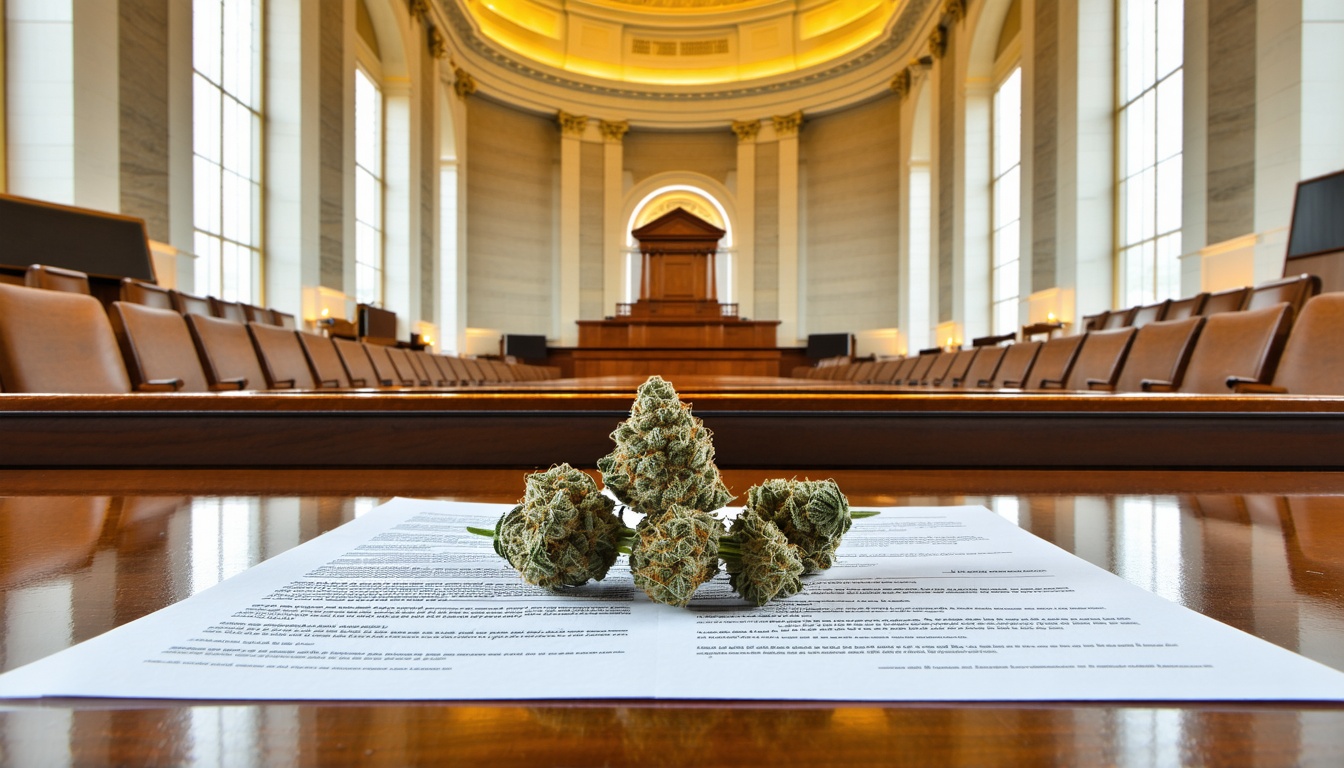
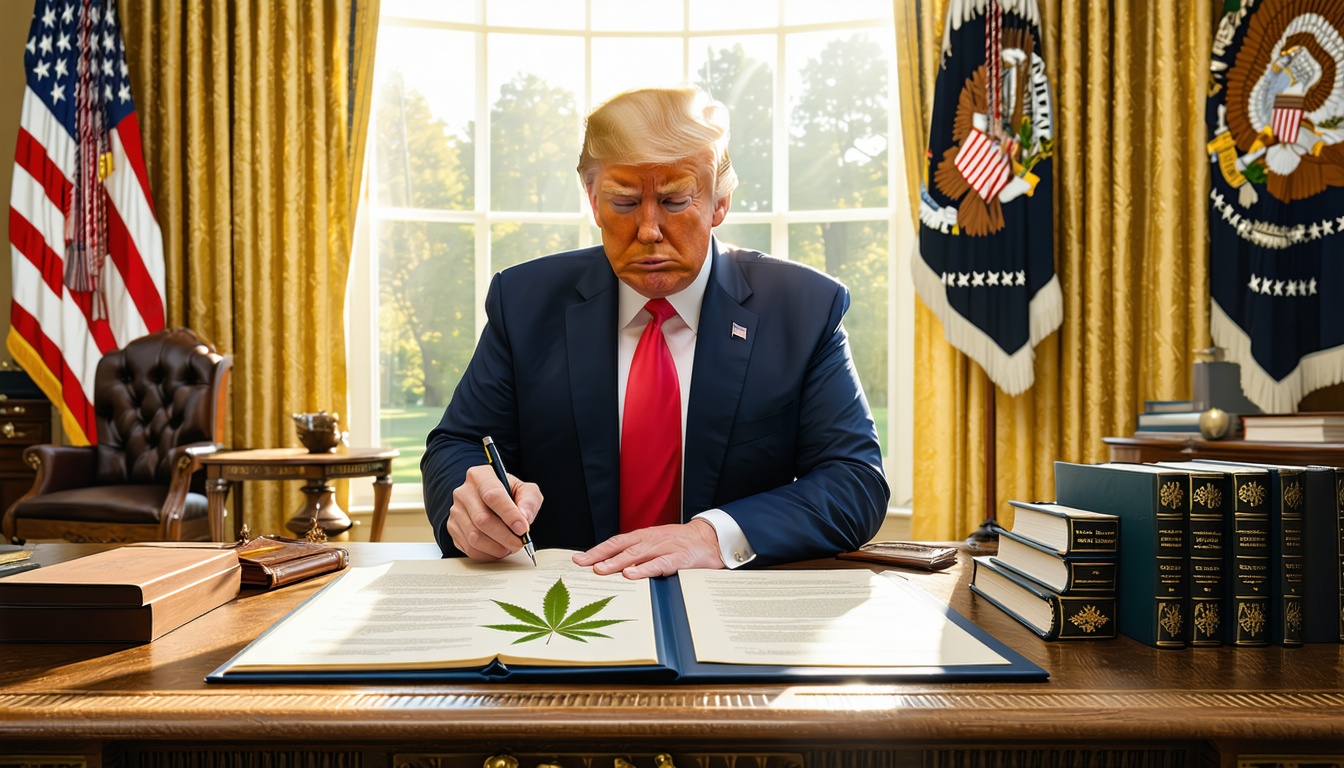
President Donald Trump is expected to sign an executive order this week, which would reclassify cannabis from Schedule I to Schedule III, allowing the Food and Drug Administration (FDA) to study its medical benefits. This move would ease regulatory hurdles and potentially open up cannabis for wider medical use, despite not making it legal at the federal level.
Trump confirmed the administration is considering the reclassification, citing the potential for “tremendous amounts of research” that cannot be done without it. The executive order would direct the Drug Enforcement Administration (DEA) administrator or Attorney General Pam Bondi to conclude the formal rescheduling process and publish the final rule.
The reclassification would also pave the way for the passage of the SAFE Banking Act, which would give legal cannabis businesses access to major banks and financial institutions. Additionally, the order could include a directive to the Centers for Medicare and Medicaid Services (CMS) to allow for the reimbursement of CBD products under Medicare.
Trump’s move comes after he hosted a group of cannabis executives in the Oval Office and held meetings with FDA Commissioner Dr. Marty Makary and other officials. On the campaign trail, Trump vowed to “unlock the medical uses of marijuana” by reclassifying the drug.
However, some critics, including Senator Ron Wyden, argue that the executive order does not go far enough and is an attempt to boost Trump’s approval ratings. Wyden called for the decriminalization of cannabis and the expungement of records for those imprisoned for minor drug offenses.
The move has been welcomed by advocates for cannabis reform, who see it as a major shift in federal policy. However, they are also calling for the president to couple the reclassification with clemency for those imprisoned for cannabis-related offenses.
According to a recent Gallup poll, 64% of Americans believe marijuana should be legal. The executive order is seen as a significant step towards greater recognition of cannabis as a legitimate medical treatment, although it falls short of full legalization.