Congress No Longer Trying to Block Cannabis Rescheduling
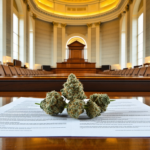
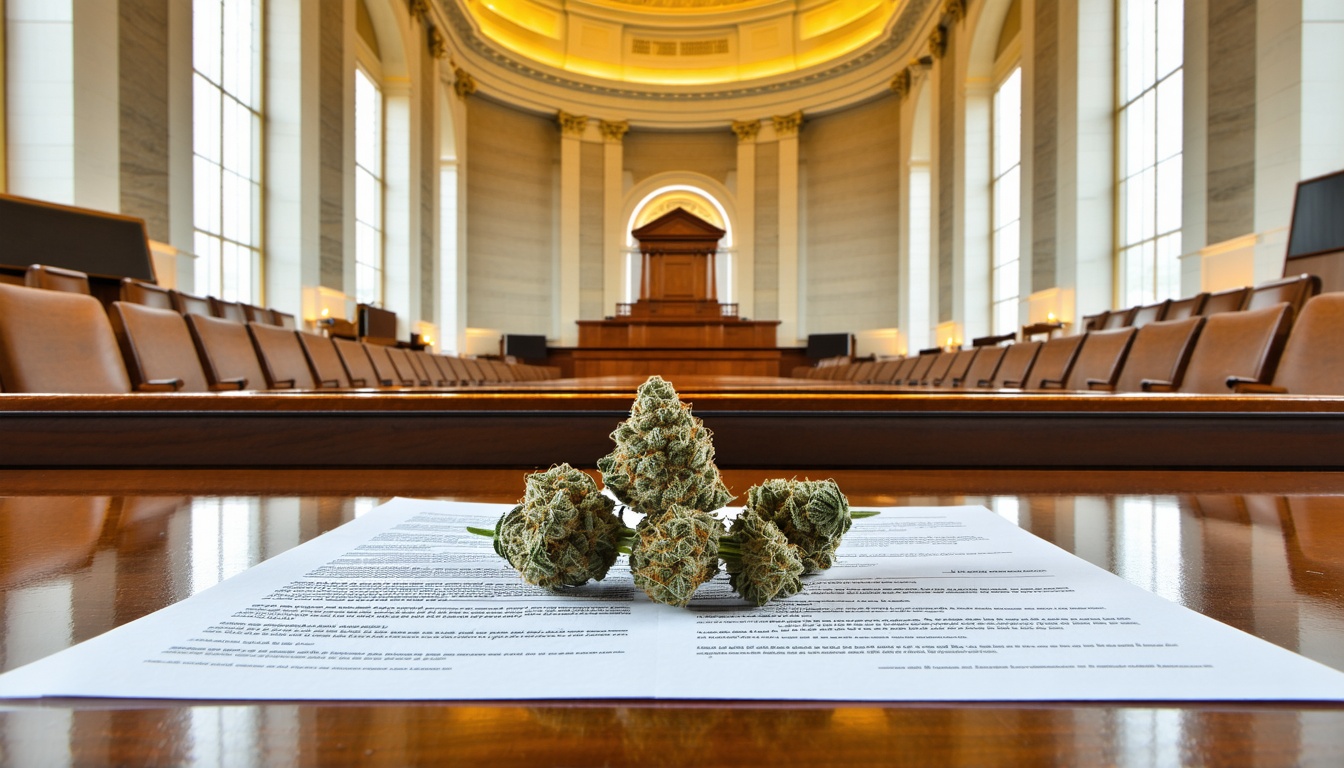
In a significant development, lawmakers in Washington have retreated from their attempt to strip the executive branch’s authority to reschedule cannabis. The U.S. House and Senate Appropriation committees released a bicameral three-bill funding package on January 5, which includes the latest version of the fiscal year 2026 Commerce, Justice, Science (CJS) and Related Agencies appropriations bill. Notably, the bill no longer contains language that would have blocked the Department of Justice (DOJ) from using funds to reschedule marijuana or remove it from the schedules established under the Controlled Substances Act (CSA).
The removal of this provision is a significant concession, as it allows the executive branch to maintain its authority to reschedule cannabis. This decision comes less than three weeks after President Donald Trump signed an executive order directing U.S. Attorney General Pamela Bondi to expedite the completion of a proposal to reclassify cannabis from a Schedule I to Schedule III drug under the CSA.
The CSA vests the attorney general with the authority to schedule, reschedule, or decontrol drugs, and the removal of the blocking provision means that the Trump administration can move forward with its plans to loosen restrictions on cannabis. This is a significant development for the cannabis industry, as it could potentially pave the way for increased access to cannabis for medical research and other purposes.
The funding package, which was developed through committee-led negotiations and thoughtful deliberation, provides a base discretionary total of $78 billion, including $37 billion for the DOJ. The bill also includes a nearly 12-year-old funding restriction that prohibits the DOJ from preventing certain states and U.S. territories from implementing their own laws that authorize the use, distribution, possession, or cultivation of medical cannabis.
However, it’s worth noting that this protection does not extend to Idaho, Kansas, Nebraska, and American Samoa, which have some of the least permissive cannabis laws in the nation. The DOJ can still use funding to enforce federal prohibition against medical cannabis use and related activities in these four jurisdictions.
The decision to remove the blocking provision is a significant victory for cannabis industry stakeholders, who have been pushing for greater access to cannabis for medical research and other purposes. Despite opposition from some lawmakers, including 22 Senate Republicans who sent a letter to Trump asking him not to reschedule cannabis, the administration has moved forward with its plans to loosen restrictions on the drug.
The removal of the blocking provision is also a significant setback for lawmakers who have been trying to reserve cannabis rescheduling rights exclusively for the legislative branch. The decision to concede on this issue suggests that the executive branch will maintain its authority to reschedule cannabis, at least for the time being.
In a statement, House Appropriations Committee Chairman Tom Cole, R-Okla., said that the three-bill funding package reflects steady progress toward completing FY26 funding responsibly. “It invests in priorities crucial to the American people: making our communities safer, supporting affordable and reliable energy, and responsibly managing vital resources,” he said.
Senate Appropriations Committee Chair Susan Collins, R-Maine, also praised the package, calling it “fiscally responsible” and saying that it will improve scientific research and support law enforcement.
The decision to remove the blocking provision is a significant development in the ongoing debate over cannabis rescheduling, and it’s likely to have significant implications for the cannabis industry and beyond. As the Trump administration moves forward with its plans to loosen restrictions on cannabis, it’s likely that we’ll see increased access to cannabis for medical research and other purposes, which could potentially pave the way for greater acceptance and legalization of the drug.