Texas to Ban Smokeable Hemp Products on March 31: What You Need to Know
Texas will ban smokeable hemp products, including hemp flower and pre-rolled joints, on March 31. The new regulations, released by the Texas Department of State Health Services, aim to eliminate products with high levels of THC, a psychoactive compound found in cannabis. However, the ban has sparked controversy among hemp industry leaders, who claim it will force many businesses to close.
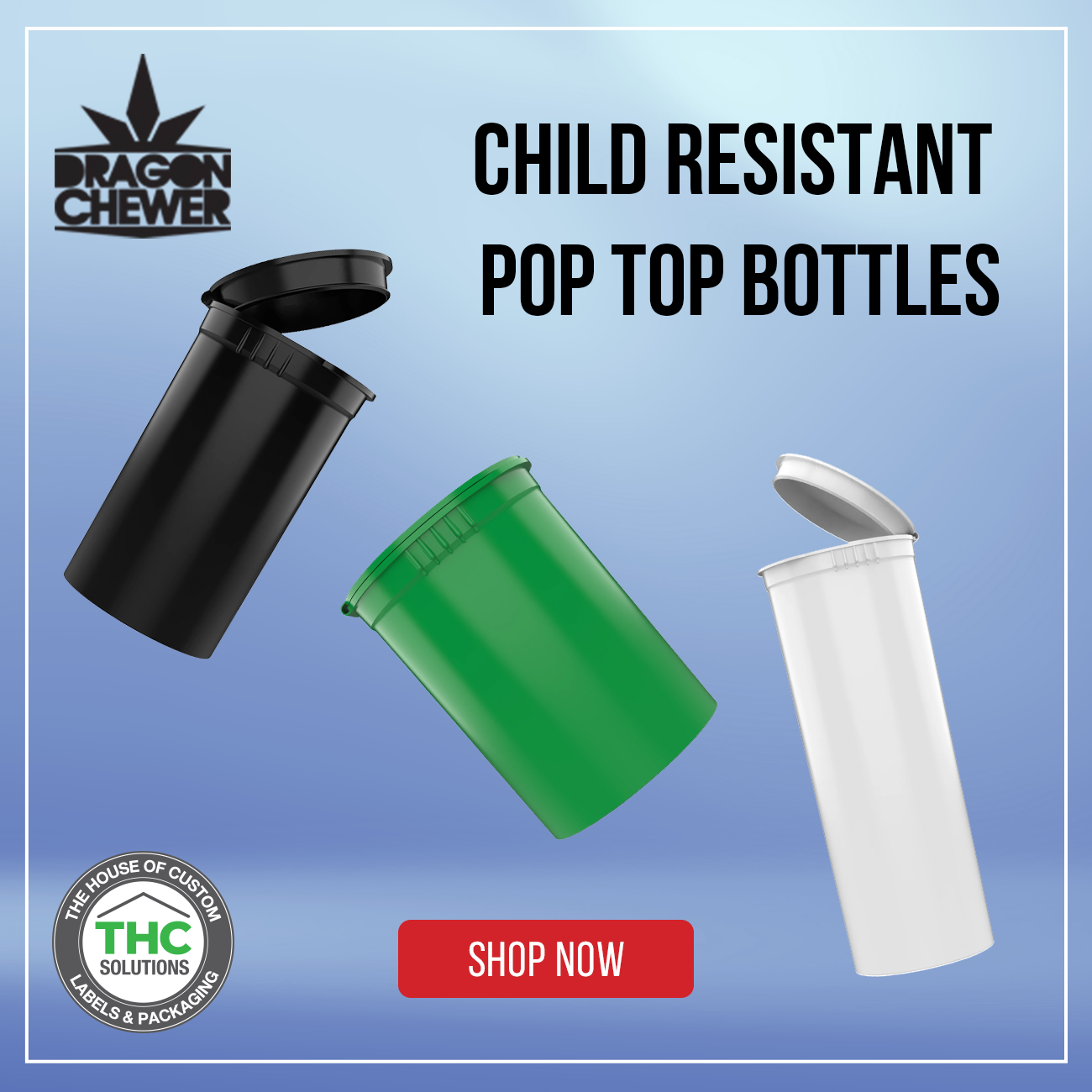
Under the new rules, hemp products will be required to have child-resistant packaging, and manufacturers will need to increase licensing fees from $258 to $10,000 per facility. Retailers will also need to pay higher fees, increasing from $155 to $5,000.
The ban is intended to protect children and consumers from hemp products with high levels of THC, which have been linked to a surge in poisoning calls. However, hemp industry leaders argue that the regulations will eliminate popular products and drive businesses out of the market.
Lukas Gilkey, CEO of Hometown Hero, a manufacturer of hemp-derived products, said, “They did a ban with their own regulatory scheme… The way they wrote the rules, it’s going to eliminate a lot of products that are fully legal and fully fine and not harmed anyone.”
Heather Fazio, director of the Texas Cannabis Policy Center, warned that the ban will hand over 50% of the legal market to illicit operators, making the state less safe.
The new regulations also require hemp businesses to keep detailed records of their products, including testing and bookkeeping requirements. This has raised concerns among smaller retailers, who may not have the resources to comply with the new rules.
Industry leaders are considering a lawsuit to block the new regulations, and some have predicted that Texans will find workarounds, such as smoking semi-synthetic or converted cannabis products.
The ban is part of a broader effort to regulate the hemp industry in Texas, which has seen a surge in popularity since it was legalized in 2019. The state has attempted to ban vape pens containing THC and other hemp-derived intoxicating chemicals, citing concerns about their popularity among teenagers.
The future of the hemp industry in Texas remains uncertain, with many industry leaders predicting a significant impact on the market. As the ban takes effect on March 31, it remains to be seen how the industry will adapt and what the long-term consequences will be for consumers and businesses alike.