Alabama Finally Opens Its First Medical Cannabis Store After Years of Delays
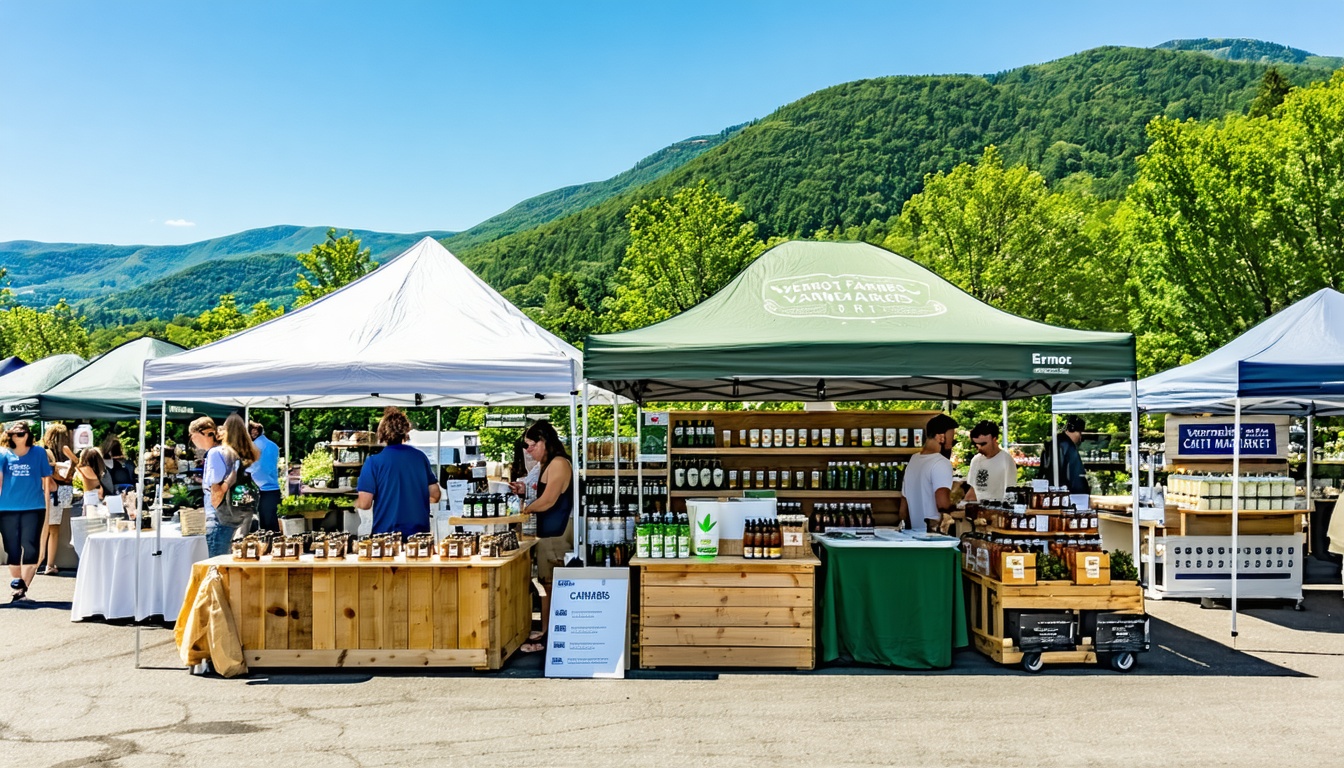
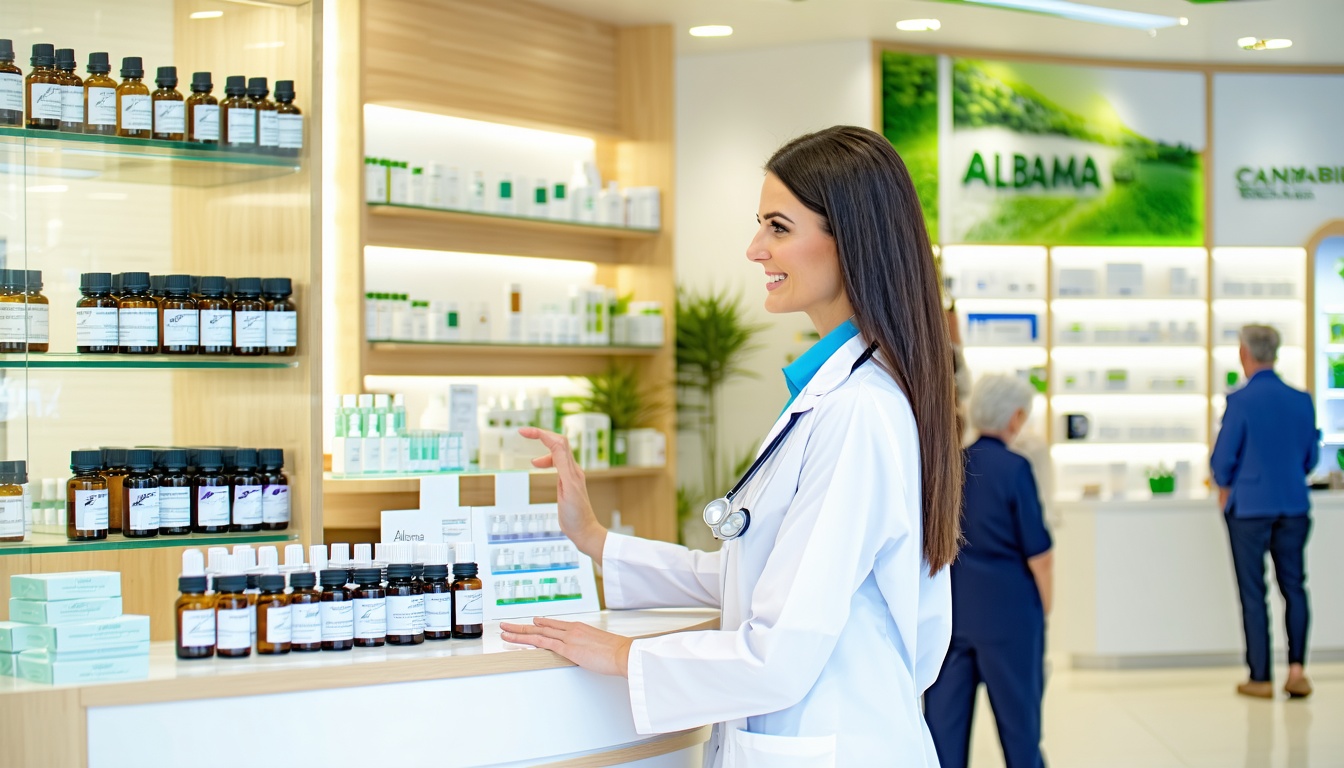
After a long wait, Alabama has finally opened its first medical cannabis store, Callie’s Apothecary in Montgomery, allowing patients to access the natural medicine for a range of medical conditions. Amanda Taylor, a patient advocate with multiple sclerosis, made the first purchase at the store, saying she hopes the products will help alleviate her symptoms, including nausea, vomiting, and tremors.
Taylor, who has been advocating for medical cannabis in Alabama for over 11 years, moved to Arizona to access the medication but returned to her home state to be a “voice for the patients.” She purchased a water-soluble tincture and peach-flavored gel cubes, which she hopes will last her a month and provide relief from her symptoms.
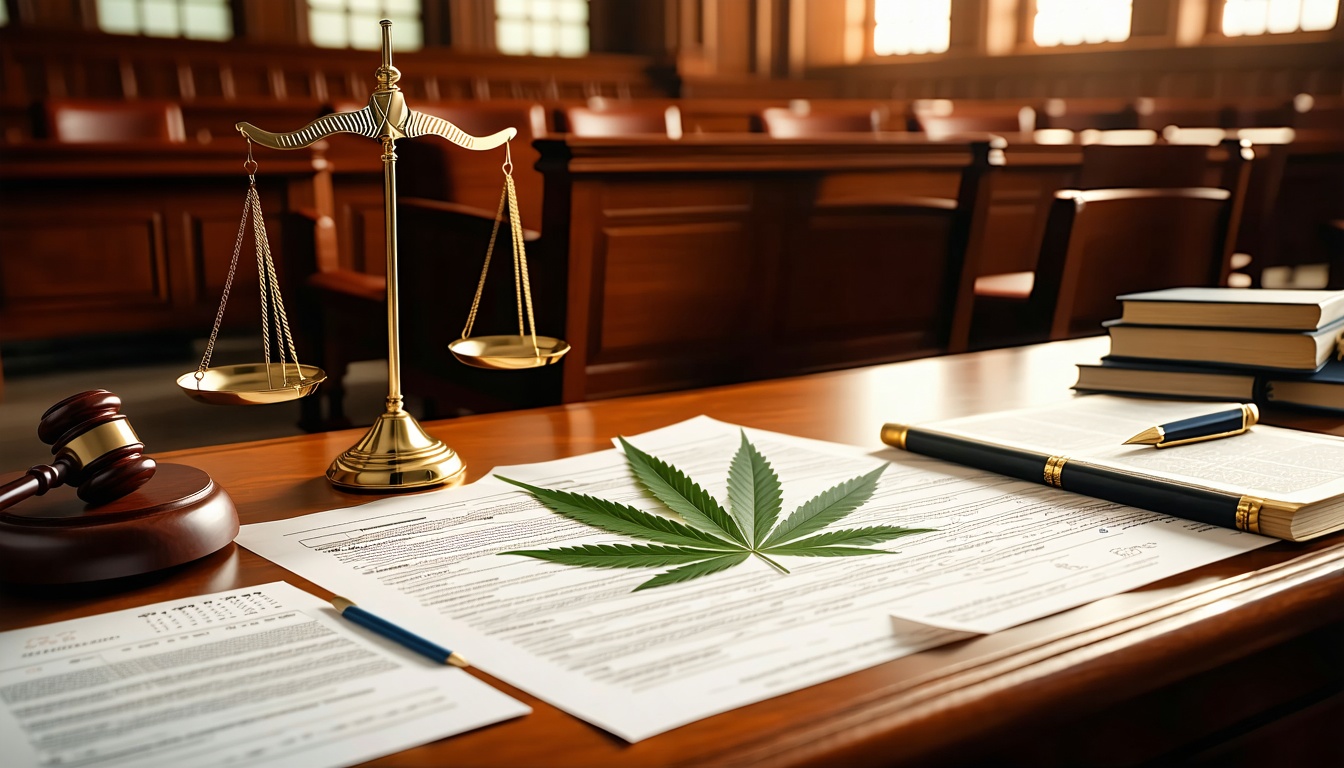
The Alabama medical cannabis law, enacted in 2021, allows registered physicians to recommend cannabis for about 15 medical conditions, including cancer, depression, Parkinson’s disease, PTSD, and chronic pain. The approved product forms are restricted to tablets, tinctures, patches, oils, and gel cubes, with raw plant material and smokable forms remaining prohibited.
The first medical cannabis dispensary to open in the state, Callie’s Apothecary, is one of 12 dispensaries expected to open across the state between four companies. Three of the companies, CCS of Alabama, LLC, GP6 Wellness, LLC, and RJK Holdings, LLC, have licenses and are expected to open their storefronts this summer, while a fourth license is pending litigation.
Patients who suffer from qualifying conditions must get approval from their physician and enter the patient registry to buy products at a dispensary. As of Wednesday, there are over 300 patients on the registry, with 52 physicians certified to recommend medical cannabis.
Alabama Medical Cannabis Commission Director John McMillan emphasized that the focus is on the patients, saying, “It’s all about the patients, every step of the whole process.” Taylor hopes that as more patients access medical cannabis, the stigma around it will fade, and people will see it as a legitimate medicine.
“I see this growing exponentially, because once people see the results and see the difference that it makes, and that it’s not about getting high and how you can function and be a productive member of society,” she said. “There’s no shame in that. This is medicine.”