
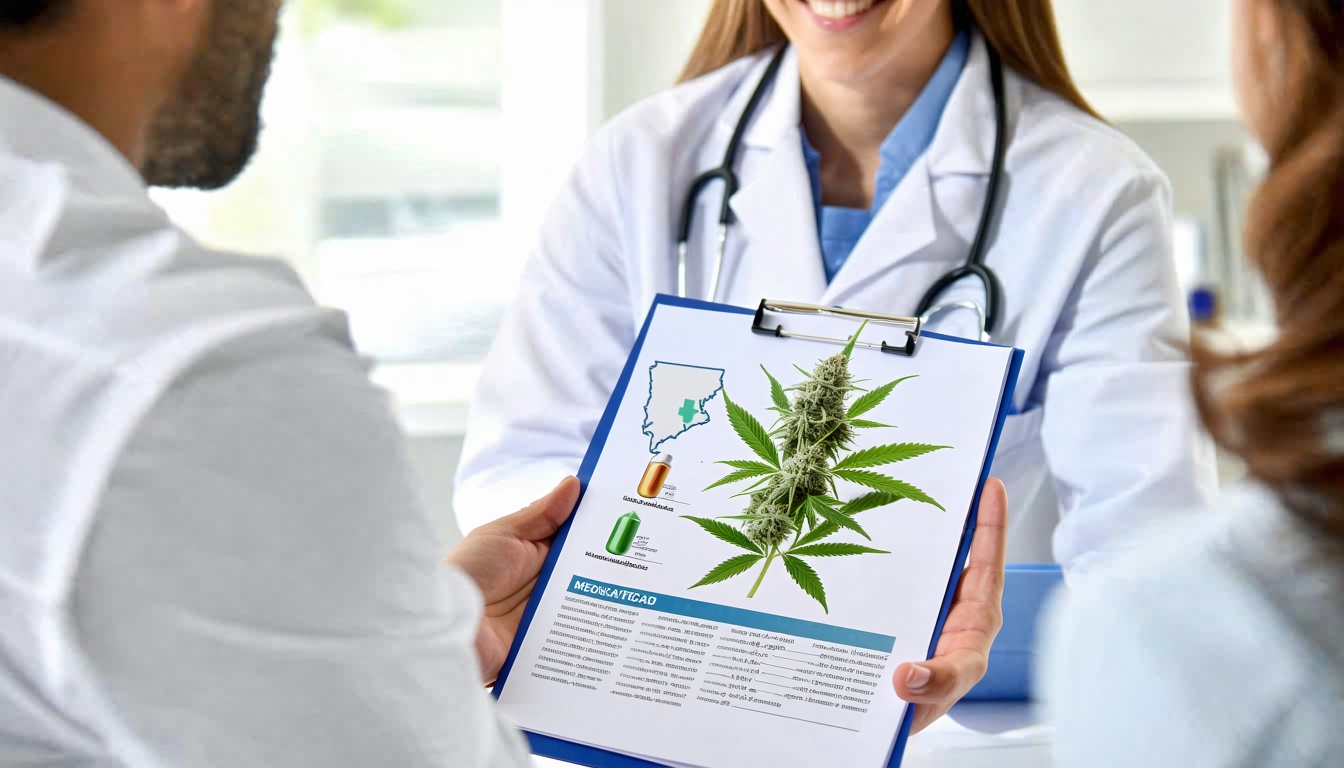
Tennessee, one of the nine states that has not legalized cannabis for any purpose, may be on the cusp of a significant change. If the U.S. Drug Enforcement Administration (DEA) follows President Donald Trump’s guidance to reclassify marijuana, it could pave the way for Tennessee to legalize medical marijuana.
Trump signed an executive order in 2025 directing federal agencies to reclassify marijuana from a Schedule I drug to a Schedule III drug, which would recognize its accepted medical uses and make it easier to study and prescribe under tightly controlled conditions. This move would not legalize marijuana federally, but it could lead to state-level changes.
Two Tennessee lawmakers who are also physicians, Rep. Bryan Terry and Sen. Richard Briggs, are among those who support doctor-prescribed medical marijuana. They believe that if the DEA reclassifies marijuana, it will gain traction in Tennessee.
“I think it will be in Tennessee,” Briggs said. “A doctor would be able to look at the individual patient and the patient’s history to see if it works or if it doesn’t” and monitor how certain doses would interact with the patient’s other medicines.
Terry and Briggs envision medical marijuana being sold in pharmaceutical companies, regulated by the FDA, and purchased at local pharmacies. They believe this would put dispensaries in other states out of business.
Polling indicates that a large majority of Tennesseans support legalizing medical marijuana, with over 81% in favor. Even some longtime lawmakers who previously opposed legalization are retiring or shifting their stance.
While the DEA has not indicated when it will make a final decision, the agency is currently collecting public comments and will hold formal hearings beginning June 29 to evaluate evidence on whether marijuana should be reclassified. If the DEA does reclassify marijuana, it could take five years or more for the FDA to approve new drugs incorporating cannabis.
Tennessee lawmakers will need to review and approve any changes to cannabis policy, but some are optimistic that medical marijuana could become a reality in the state. “There are some shifts and changes happening in terms of attitudes” by state lawmakers, said Sen. Heidi Campbell. “One of the biggest bottlenecks for passing legislation in any form was the lieutenant governor who had a very war-on-drugs kind of disposition towards marijuana.”
Campbell believes that public opinion could sway lawmakers, and that the potential financial benefits of legalizing medical marijuana could also play a role. “I do know they really like the fact that it looks like a really good business prospect,” she said.