Potential Interactions Between GLP-1 Drugs and Cannabis Raise Concerns
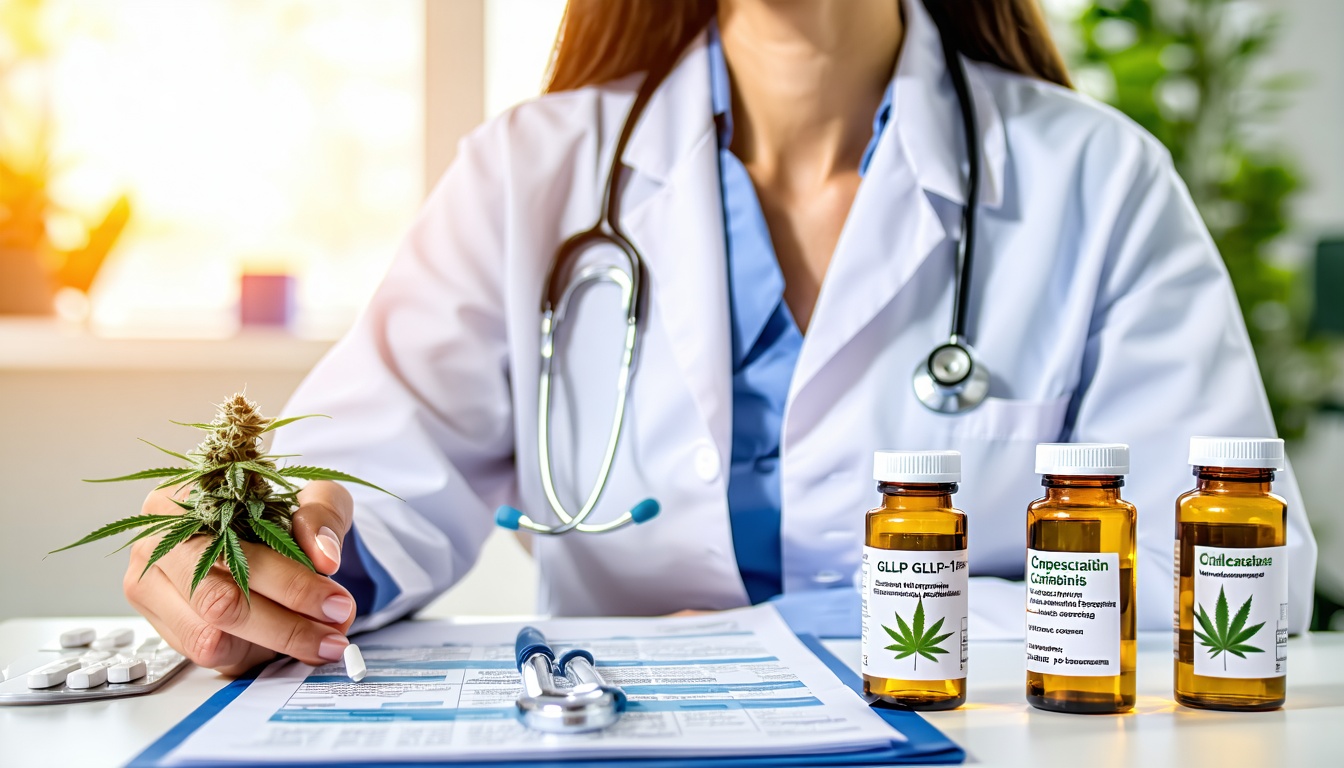
A cannabis physician and president of the Association of Cannabinoid Specialists, Dr. Jordan Tishler, is warning about the potential interactions between GLP-1 drugs and cannabis use. GLP-1s are a class of medications used to treat Type 2 diabetes and obesity, while cannabis is increasingly popular for its medicinal and recreational uses.
According to Dr. Tishler, both GLP-1 drugs and cannabis slow down stomach emptying, which can lead to bloating, discomfort, and in rare cases, nausea and vomiting. This is particularly concerning for individuals with diabetes, as they may already experience delayed stomach emptying due to gastroparesis.
Dr. Tishler emphasizes that the issue is not a medical emergency, but rather a matter of nuance that requires further study. He suggests that doctors and public health experts should educate patients about the potential interactions between GLP-1 drugs and cannabis use. This includes asking patients about their cannabis use before prescribing a GLP-1 drug and warning them about the potential side effects.
The GLP-1 drugs in question include semaglutide (Ozempic, Wegovy, Wegovy pill), tirzepatide (Mounjaro and Zepbound), and orforglipron (Foundayo). They work by mimicking the actions of hormones in the gut that regulate blood sugar and slow down digestion, leading to feelings of fullness and weight loss.
Meanwhile, cannabis hyperemesis syndrome (CHS) is a condition that affects a small but growing number of chronic marijuana users. Symptoms include severe nausea and vomiting, which can last for days or weeks and is often relieved by hot showers or baths. The Centers for Disease Control and Prevention (CDC) has warned about the rise in CHS cases, and some experts believe it may be underdiagnosed.
Dr. Tishler, however, believes that ER doctors may be over-diagnosing CHS, attributing symptoms to cannabis use without fully considering other factors. He emphasizes the importance of a nuanced approach to understanding the interactions between GLP-1 drugs and cannabis use, as well as the need for further research and education on these topics.