Archaeologists have unearthed evidence of the earliest known use of cannabis for its mind-altering effects, dating back nearly 2,800 years to the Siberian steppe. The discovery was made at a monumental burial mound in southern Siberia, where researchers found chemical traces of tetrahydrocannabinol (THC) in human hair, as well as nearly 1,500 cannabis seeds and fragments nearby.
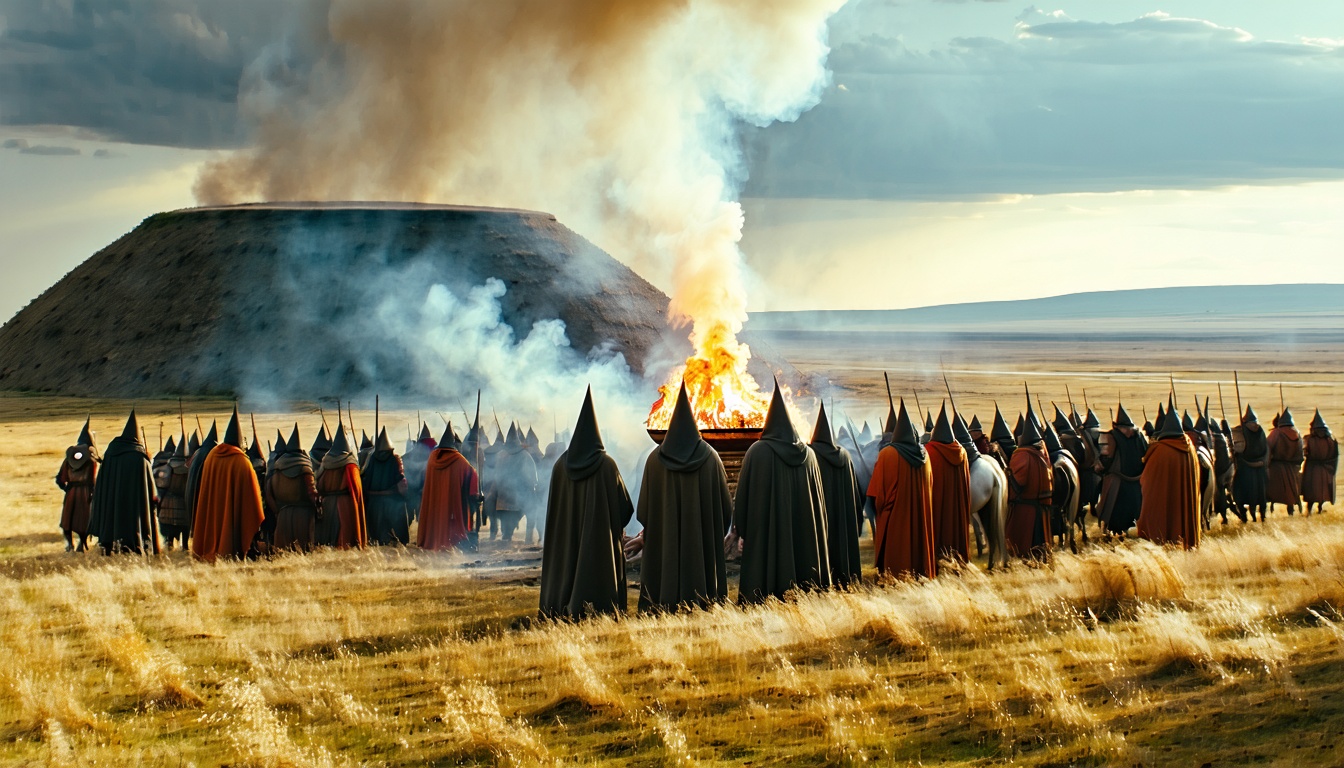
The burial mound, known as Tunnug 1, is a sprawling structure built around the beginning of the eighth century BCE and belongs to the earliest period of Scythian culture. The Scythians were a nomadic people known for their expertise in horse-riding and eventually dominated vast stretches of the Eurasian steppe.
The findings suggest that cannabis was used in elaborate funeral ceremonies, possibly involving the sacrifice of horses and even human offerings. While cannabis use today is often associated with recreation, the evidence from Tunnug 1 suggests that it played a significant role in ancient rituals and spiritual practices related to death and the afterlife.
The discovery provides a glimpse into the cultural and spiritual practices of the Scythians, a people who were previously known for their warrior culture and nomadic lifestyle. The use of cannabis in their rituals and ceremonies highlights the complex and multifaceted nature of ancient cultures, which were often driven by a mix of practical, spiritual, and symbolic considerations.