Major Study Finds Cannabis May Do More Harm Than Good for Mental Health Disorders
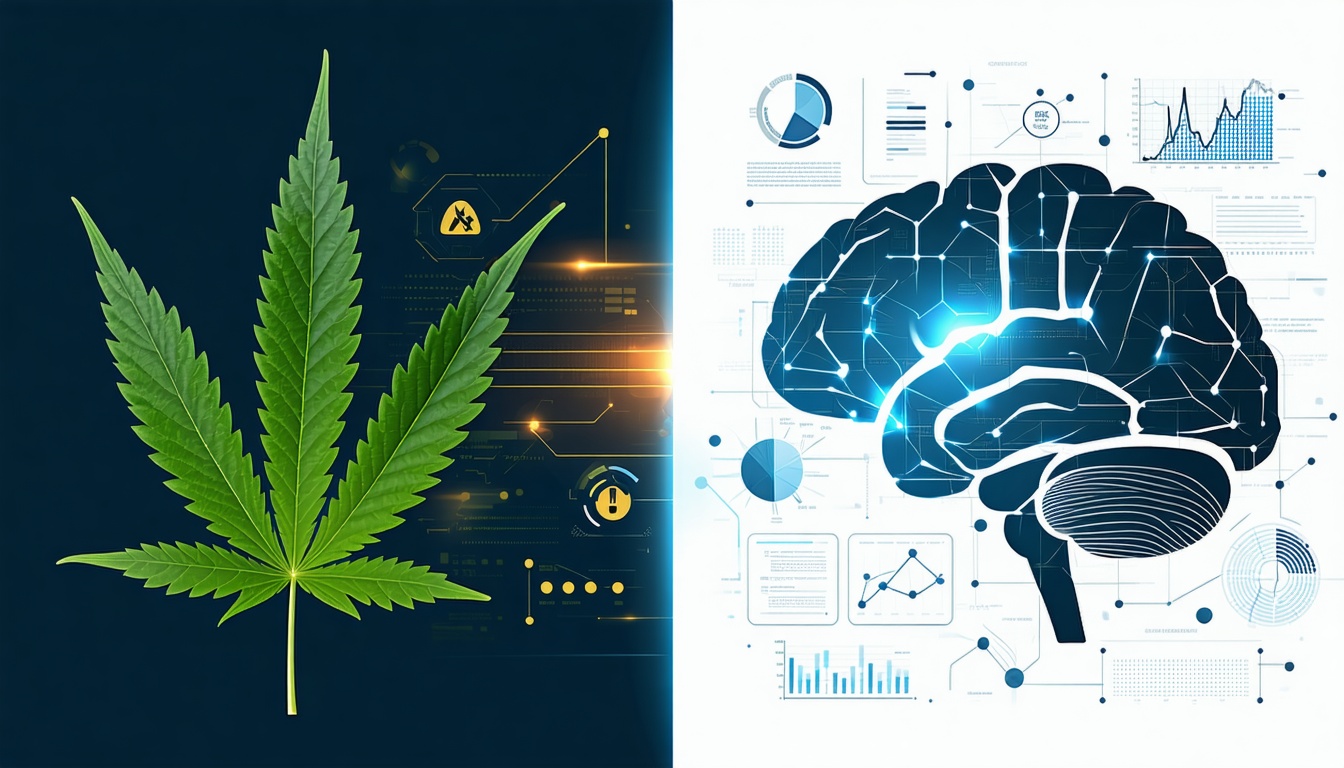
A recent study conducted by researchers at the University of Sydney, Australia, has raised concerns about the effectiveness of cannabis in treating mental health disorders. The study, published in The Lancet Psychiatry, analyzed 54 randomized controlled trials and found that cannabis-based treatments are “rarely justified” for routine use in treating conditions such as depression, anxiety, and post-traumatic stress disorder (PTSD).
The researchers found that participants who used cannabis had a 75% higher risk of experiencing adverse side effects compared to those who did not use cannabis. The study also noted that there is little strong evidence to support the use of cannabis as a treatment for mental health disorders, and that the risk of adverse side effects may outweigh any potential benefits.
The study’s lead author, Dr. Jack Wilson, warned that the routine use of medicinal cannabis could be doing more harm than good by worsening mental health outcomes. He noted that the risk of psychotic symptoms and developing cannabis use disorder, as well as delaying the use of more effective treatments, are all potential consequences of using cannabis for mental health issues.
Dr. Thea Gallagher, a clinical associate professor at the NYU Grossman School of Medicine, echoed Dr. Wilson’s concerns, stating that while cannabis does have legitimate medical uses, mental health conditions are not among them at this time. She cautioned that using cannabis to manage emotional distress may delay access to proven treatments, and that people with a personal or family history of psychosis should be especially cautious.
The study’s findings have sparked debate among experts and advocates, with some arguing that the study’s limitations and methodology are flawed, while others are calling for a reevaluation of the use of cannabis for mental health treatment.
Despite the controversy, the study’s authors and experts are urging caution and emphasizing the need for more research into the effects of cannabis on mental health. As Dr. Gallagher noted, “Natural” does not automatically mean safe or effective, and people should be aware of the potential risks and benefits associated with using cannabis for mental health issues.
The study’s findings are a reminder that while cannabis may be a popular treatment option for some, it is not a panacea for mental health disorders, and that more research is needed to fully understand its effects on the brain and body.