
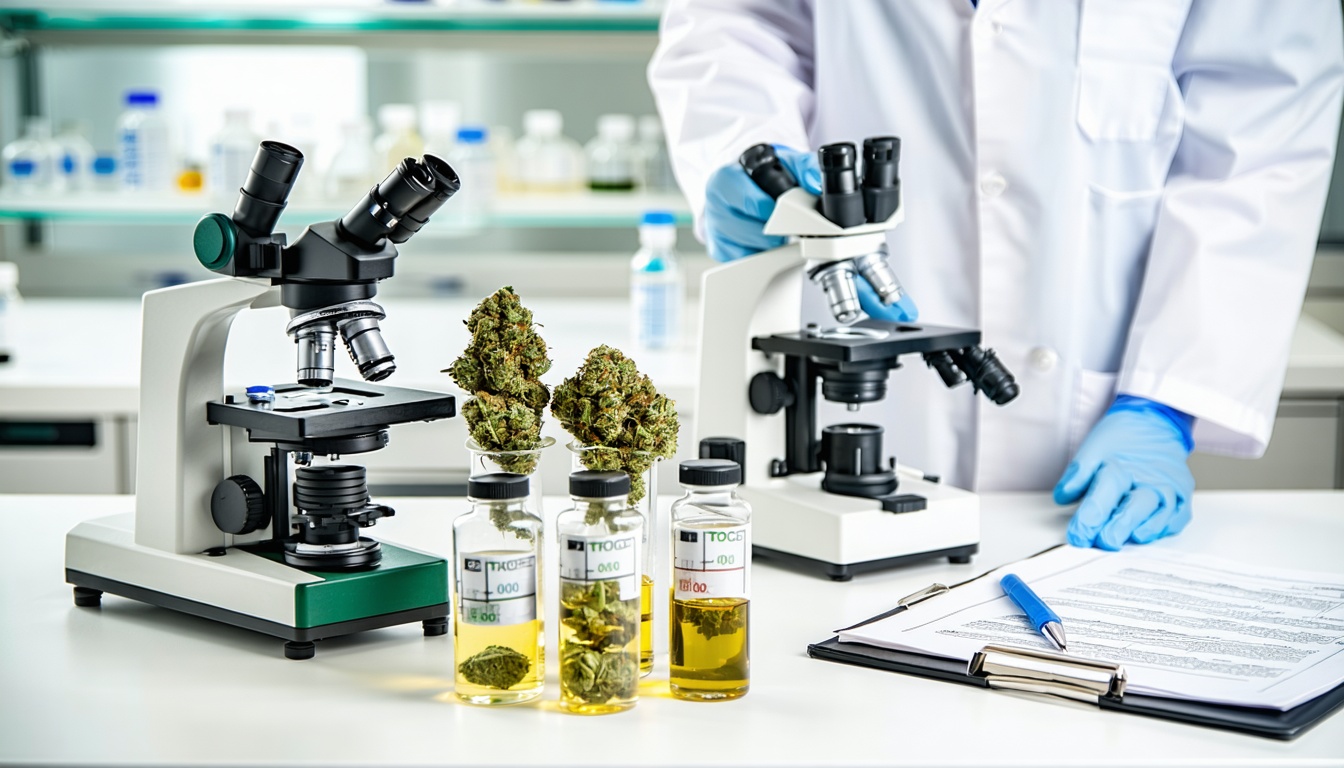
Massachusetts Cannabis Control Commission Finds 13 Products with Inaccurate THC Potency Labels
A recent audit by the Massachusetts Cannabis Control Commission (CCC) found that 13 cannabis flower products had THC levels that fell outside the acceptable range listed on their labels. The audit, which reviewed 63 products from 62 producers, aimed to ensure the accuracy of THC potency labels on cannabis products sold in the state.
The commission tested the products, which were collected from retail stores and medical dispensaries, to verify their THC potency. The results showed that seven products were within 2 percentage points of their labeled potency, while the remaining 13 products had THC levels that fell outside the acceptable range.
According to the CCC, cannabis flower labels are considered accurate when testing shows THC potency between 75% and 125% of the amount listed on the label. For example, a product labeled as containing 15% THC has an acceptable range of 11.25% to 18.75% total THC.
The producers of the affected products will be required to take additional action, and the commission has placed holds on the products to prevent further sales. Retailers and medical dispensaries are not responsible for product label accuracy but may choose to remove and destroy affected products.
The CCC has notified the producers of the audit results and will continue to issue notices on a rolling basis. The agency will also post the results on its Investigations and Enforcement portal for public review.
The commission emphasized the importance of accurate THC labeling, particularly for medical marijuana patients who rely on potency information for accurate dosing. The agency is taking steps to strengthen oversight of cannabis testing, including the creation of a centralized Testing and Analysis webpage and publication of total THC test results through its Open Data platform.
The CCC is also working to implement a 2026 state law that requires an online portal for reports of alleged noncompliance and is expanding its existing tipline to include an online reporting option. Consumers and patients who purchased affected products can contact the producer using the information listed on the product label.
The commission’s chair, Chris Harding, stated, “The Commission has a responsibility as a regulatory and consumer protection agency to ensure product labels are accurate. This is also a matter of health and safety for medical marijuana patients who rely on potency for accurate dosing.”