New Survey Reveals Age Range Most Likely to Drive After Cannabis Use
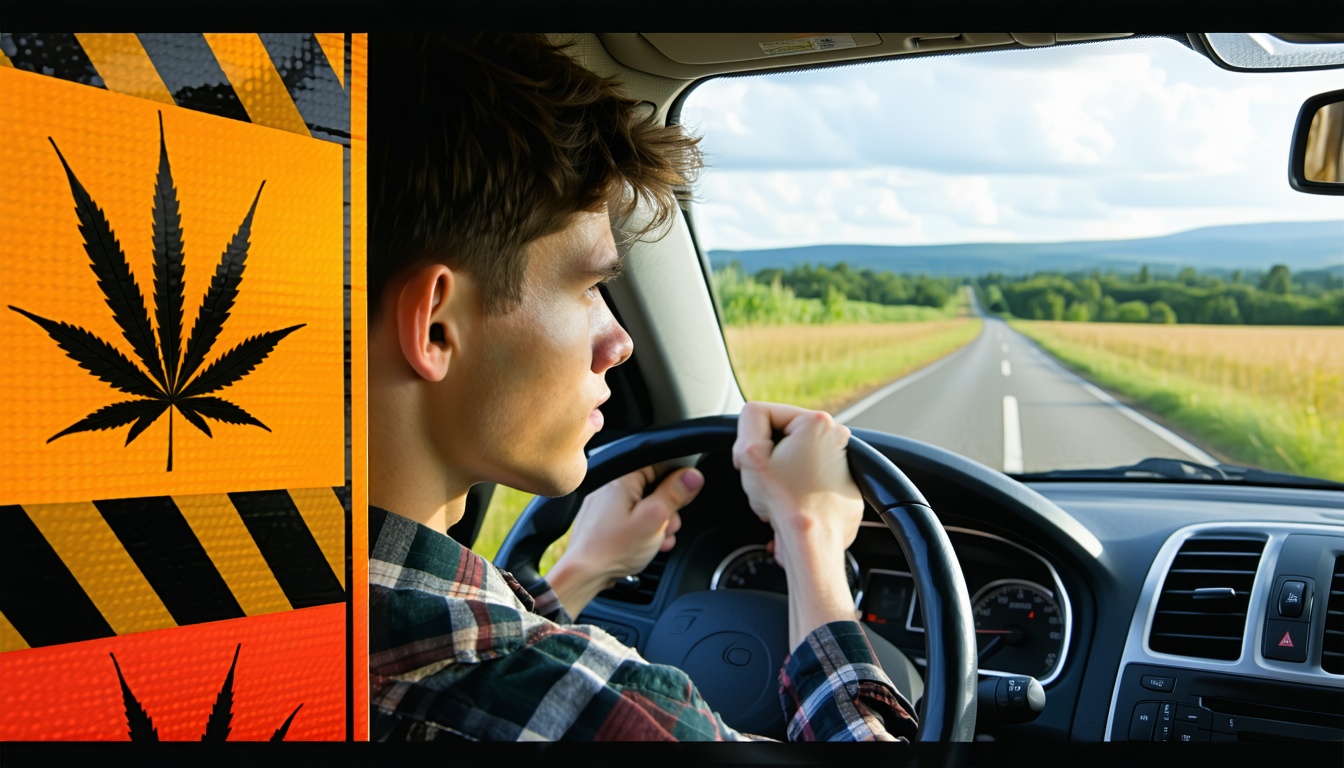
A recent survey conducted by the University of Minnesota Cannabis Research Center has found that the age range most likely to drive after using cannabis is between 18 and 20 years old. The survey, which was conducted at the state fair and some county fairs in 2024 and 2025, found that 15.7% of cannabis users in this age range admitted to using the drug while driving or just before getting behind the wheel.
The survey also found that people in rural areas were more likely to drive after using cannabis than those in urban areas, with 22.1% of rural residents admitting to the behavior compared to 12.1% of urban residents.
The findings of the survey are concerning, as they suggest that a significant number of young people are engaging in a potentially dangerous behavior. Cannabis use can impair a person’s ability to drive safely, increasing the risk of accidents and injuries.
“It’s alarming to see that so many young people are making potentially deadly decisions before they get behind the wheel,” said Mike Hanson, director of the Minnesota Office of Traffic Safety. “We need to do more to educate young people about the dangers of driving high and to provide them with the resources they need to make safe choices.”
The survey’s findings are also concerning in light of the growing number of cannabis impaired-driving cases in Minnesota. In 2023 and 2025, prosecutors filed 1,207 cases related to cannabis impaired driving, a significant increase from previous years.
To address the issue, the state is exploring the use of field saliva testing, which would allow law enforcement officers to quickly and easily determine whether a driver has been using cannabis. The test would be used in conjunction with other methods, such as roadside sobriety tests and drug recognition expert evaluations, to determine whether a driver is impaired.
“We’re working to provide law enforcement with the tools they need to keep our roads safe,” said Hanson. “We need to make sure that drivers are not putting themselves or others at risk by getting behind the wheel after using cannabis.”
The survey’s findings highlight the need for increased education and awareness about the dangers of driving high. By educating young people about the risks and providing them with the resources they need to make safe choices, we can work to reduce the number of cannabis impaired-driving cases in Minnesota and keep our roads safe for everyone.