Historic Shift in US Drug Policy: Oregon Updates Marijuana Guidance
The Oregon Health Authority has released its 2026 Cannabis Public Health Statements, marking a significant update to the state’s marijuana guidance after nearly a decade. The agency’s new policy reflects the substantial changes in both the science and policy surrounding cannabis since its legalization in 2014.
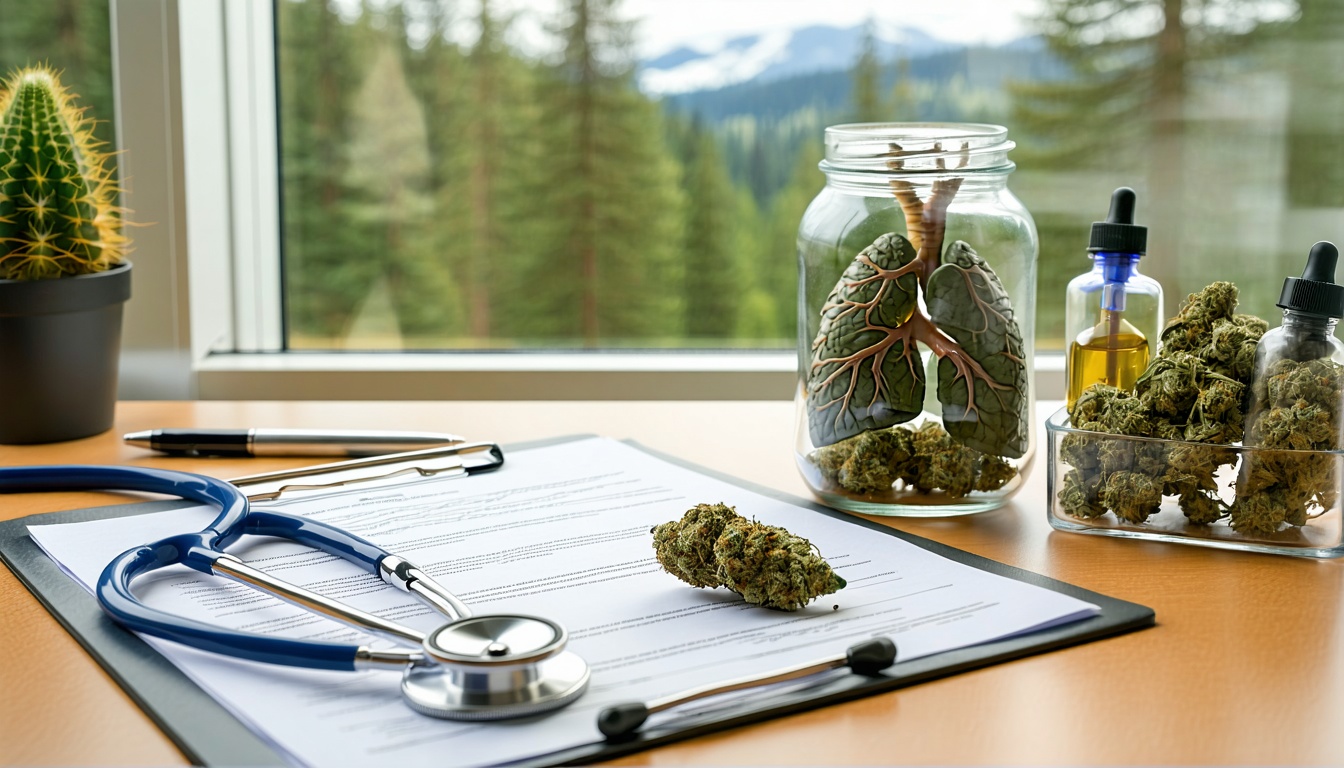
The updated guidance highlights the potential risks associated with marijuana use, including respiratory health issues such as chronic bronchitis and lung injuries caused by vaping. Additionally, health leaders have expressed concerns about potential cardiovascular harms, such as heart attacks and strokes, as well as an increased risk of “pre-cancerous changes in the lungs” due to the chemicals present in cannabis smoke.
The agency notes that most marijuana research has focused on the impact of smoking, as it is considered the most harmful method of consumption. However, this limited understanding of the substance’s effects is expected to change as more research is conducted.
The updated guidance emphasizes the need for further study, particularly on the effects of vaping cannabis, which is still a relatively new method of consumption. The agency acknowledges that it will take years to determine the long-term harms associated with vaping cannabis.
This shift in policy reflects the ongoing efforts to reevaluate the nation’s drug policy, with the Justice Department recently proposing to reclassify marijuana as a less dangerous drug. The proposed rule recognizes the medical uses of cannabis and acknowledges its lower potential for abuse compared to other dangerous drugs.