Tribal Cannabis Agreements Reach Milestone in Minnesota
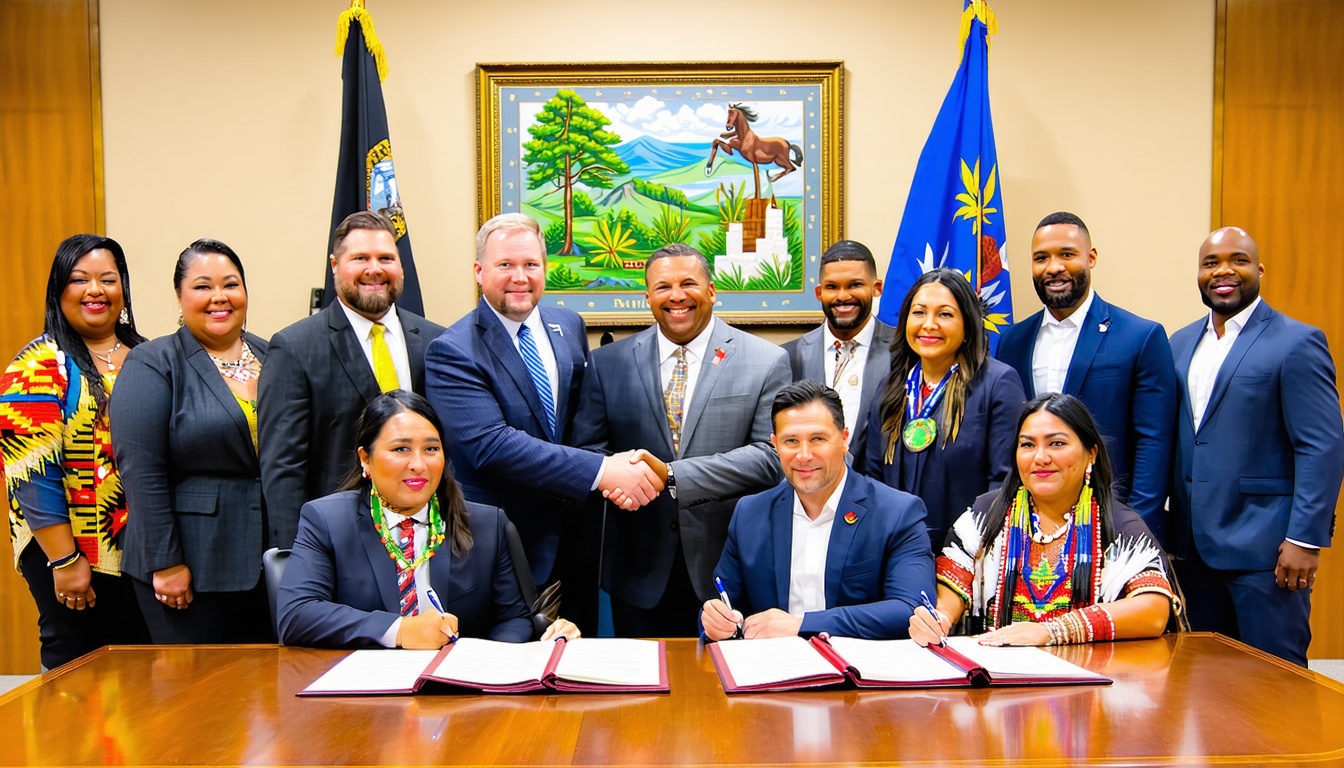
The Minnesota Governor’s Office of Cannabis Management and the Bois Forte Band of Chippewa have signed a new cannabis compact agreement, marking a significant milestone in the state’s efforts to regulate tribal cannabis businesses. This agreement brings the total number of tribal-state cannabis agreements in Minnesota to seven, with five other tribes having entered into similar agreements since May.
The Bois Forte Band, located near the Canadian border, has been a pioneer in the tribal cannabis industry, opening a dispensary on its reservation in February 2023. The new agreement will provide more economic opportunities for the tribe, according to Tara Geshick, Bois Forte Secretary Treasurer.
Red Lake Nation, another prominent tribal nation in Minnesota, has also made significant strides in the cannabis industry. In December, the tribe announced plans to open a dispensary in West St. Paul, and another location is set to open on its tribal trust lands in Thief River Falls in the new year. The tribe’s cannabis enterprise, NativeCare, was the first to open a dispensary in the state when recreational cannabis was legalized in 2023.
The agreements between the state and tribal nations regulate the number of cannabis dispensaries and growing operations, as well as set out terms and conditions for wholesaling and advertising. Each agreement is unique, but they share similarities in their requirements for seed-to-sale tracking and tribal regulatory authority.
Red Lake Nation’s agreement with the state is notable for its cooperative approach, which sets it apart from other tribal-state cannabis agreements. The agreement also includes a provision for the development of a memorandum of understanding to add medical cannabis to the existing cooperative agreement.
The Indigenous Cannabis Industry Association is urging tribal nations to maintain a relationship with medical cannabis, as research into its medical uses may expand in the coming years. The association’s executive director, Mary Jane Oatman, believes that the federal government’s easing of restrictions on cannabis research could lead to new opportunities for tribal communities to assess qualifying medical conditions.
The agreements between the state and tribal nations also demonstrate a commitment to information sharing and transparency. Red Lake Nation’s agreement includes a mechanism for the state and tribe to convene a tribal advisory committee prior to making changes to cannabis rulemaking.
These developments mark a significant milestone in the growth of the tribal cannabis industry in Minnesota and demonstrate the state’s commitment to working with tribal nations to regulate and promote this industry.