Trump’s Cannabis Order Falls Short of Expectations, Experts Say
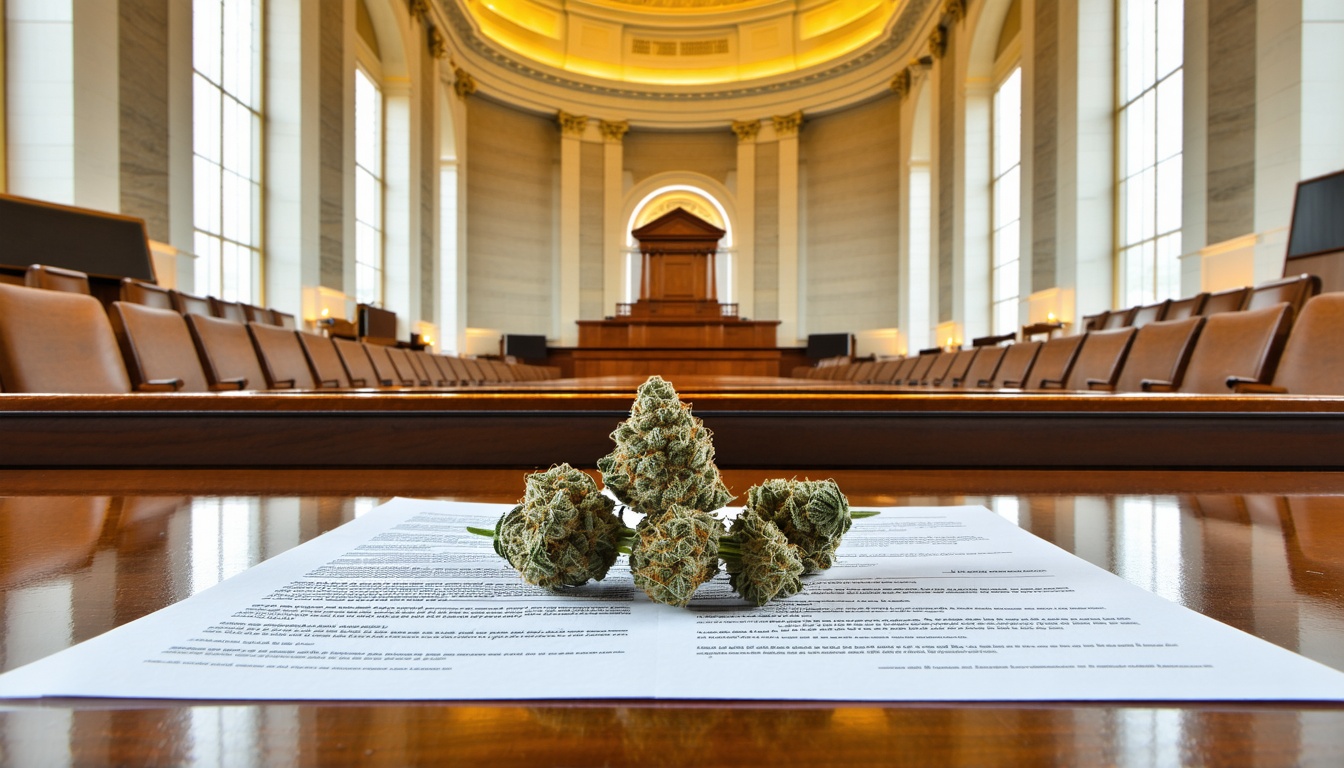
Despite President Donald Trump’s recent executive order urging the rescheduling of cannabis, experts warn that it will not significantly impact the criminal justice system’s treatment of cannabis possession cases. The order, which has yet to be implemented, recommends moving cannabis from Schedule I to Schedule III, but this change would not necessarily reduce criminal penalties.
According to Douglas Berman, a law professor at Ohio State University, the Controlled Substances Act (CSA) dictates specific penalties for cannabis, regardless of its schedule. This means that even if cannabis is rescheduled, formulations that have not been FDA-approved would still be criminalized.
The Department of Justice has recently rescinded Biden-era guidance that directed US attorneys to refrain from prosecuting simple cannabis possession cases. As a result, the US attorney for the district of Wyoming has announced plans to aggressively prosecute cannabis offenders.
Immigration and Customs Enforcement (ICE) has also used cannabis-related offenses as a justification for deportation. Some ICE raids have targeted state-legal recreational grow operations under Trump, leading to concerns about the vulnerability of non-citizens and communities of color to these types of prosecutions.
While the downward trend in cannabis criminalization may have slowed under the Trump administration, experts warn that non-citizens and communities of color will continue to bear the brunt of enforcement. The lack of meaningful change in cannabis policy has significant implications for public health, criminal justice, and social justice.