
Arkansas Medical Marijuana Program Faces Uncertainty After Court Ruling
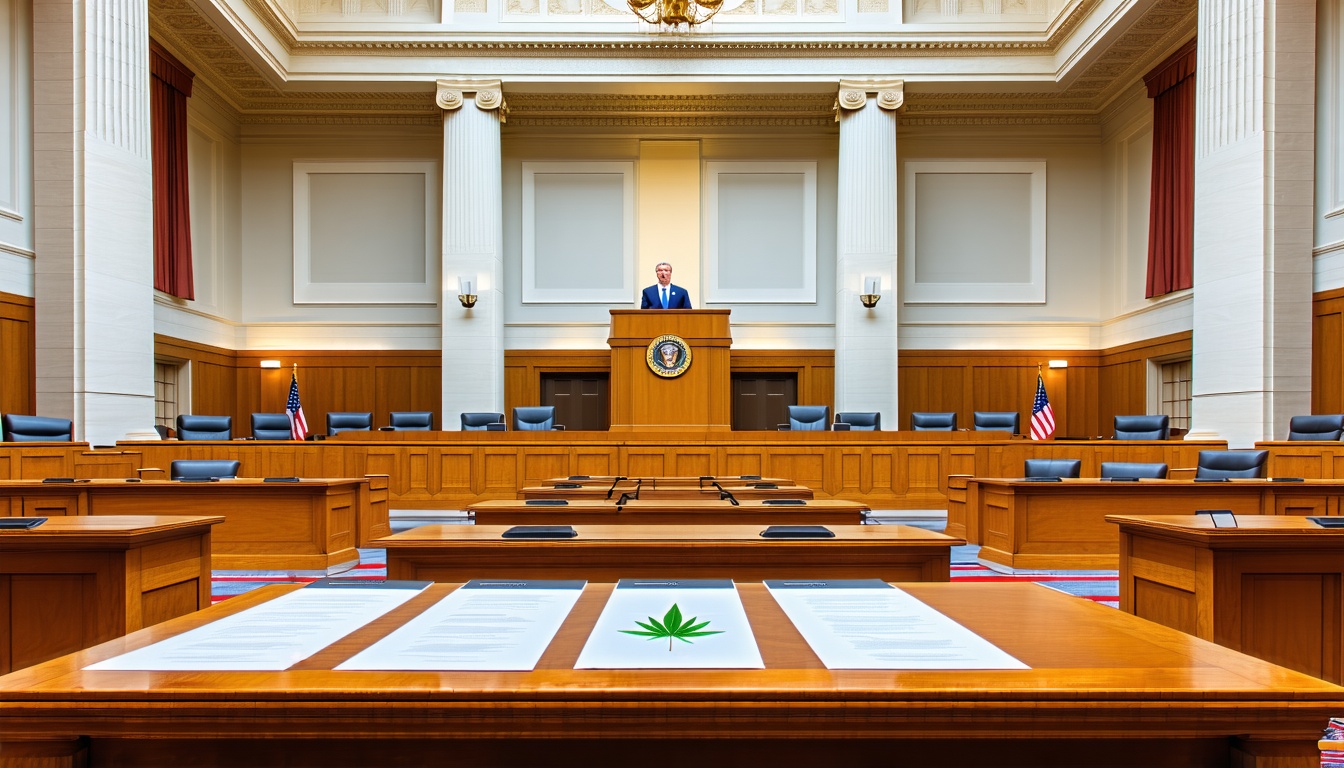
The future of Arkansas’ medical marijuana program is uncertain after a court ruling in December gave state lawmakers the authority to amend citizen-led constitutional amendments. The decision has sparked concerns among patients, industry professionals, and advocates, who fear that lawmakers may alter the program to limit access or increase taxes.
The Arkansas Supreme Court’s ruling upended 74 years of precedent, declaring that lawmakers can amend citizen-led constitutional amendments with a two-thirds vote. This newfound authority extends beyond medical marijuana to other citizen-led amendments, including those that affect casinos and the minimum wage.
The court’s decision has raised concerns among medical marijuana patients, such as Emily Williams, a 69-year-old retiree who uses the medication to manage ongoing complications from her cancer diagnosis. Williams fears that lawmakers may limit access to the program or increase taxes, making it difficult for her to afford the medication.
Industry professionals are also worried about the impact of the court’s ruling. David Couch, a Little Rock lawyer who helped write the medical marijuana amendment, said the decision “absolutely” adds pressure for a new ballot measure to be successful. The measure, proposed by Save AR Democracy, would prohibit lawmakers from changing the Arkansas Constitution themselves and require voters to approve any new law affecting the initiative and referendum process.
Lawmakers, however, have downplayed concerns about altering the program. Senate President Pro Tempore Bart Hester said lawmakers will only use their authority to amend the constitution when “absolutely necessary” and will likely wait until the 2027 legislative session to review citizen-led amendments. Hester also noted that lawmakers can only amend the marijuana amendment, not repeal it, leaving some room to scale back or expand the program without ending it entirely.
Despite these assurances, patients and advocates remain concerned about the potential impact of the court’s ruling. Christopher Duffy, a 35-year-old Fayetteville resident who uses medical marijuana to manage his anxiety and sobriety, fears that lawmakers may limit access to the program or increase taxes, making it difficult for him to afford the medication.
The uncertainty surrounding the medical marijuana program has sparked a renewed push for a ballot measure to protect the program. Save AR Democracy needs to collect 90,704 signatures by July 3 to qualify for the ballot. If the measure fails, lawmakers may use their newfound authority to amend the program, potentially limiting access or increasing taxes.
The court’s ruling has also raised questions about the balance of power between lawmakers and citizens in Arkansas. Just legalize it.