Floridians Will Not Vote on Recreational Marijuana in November, State Announces
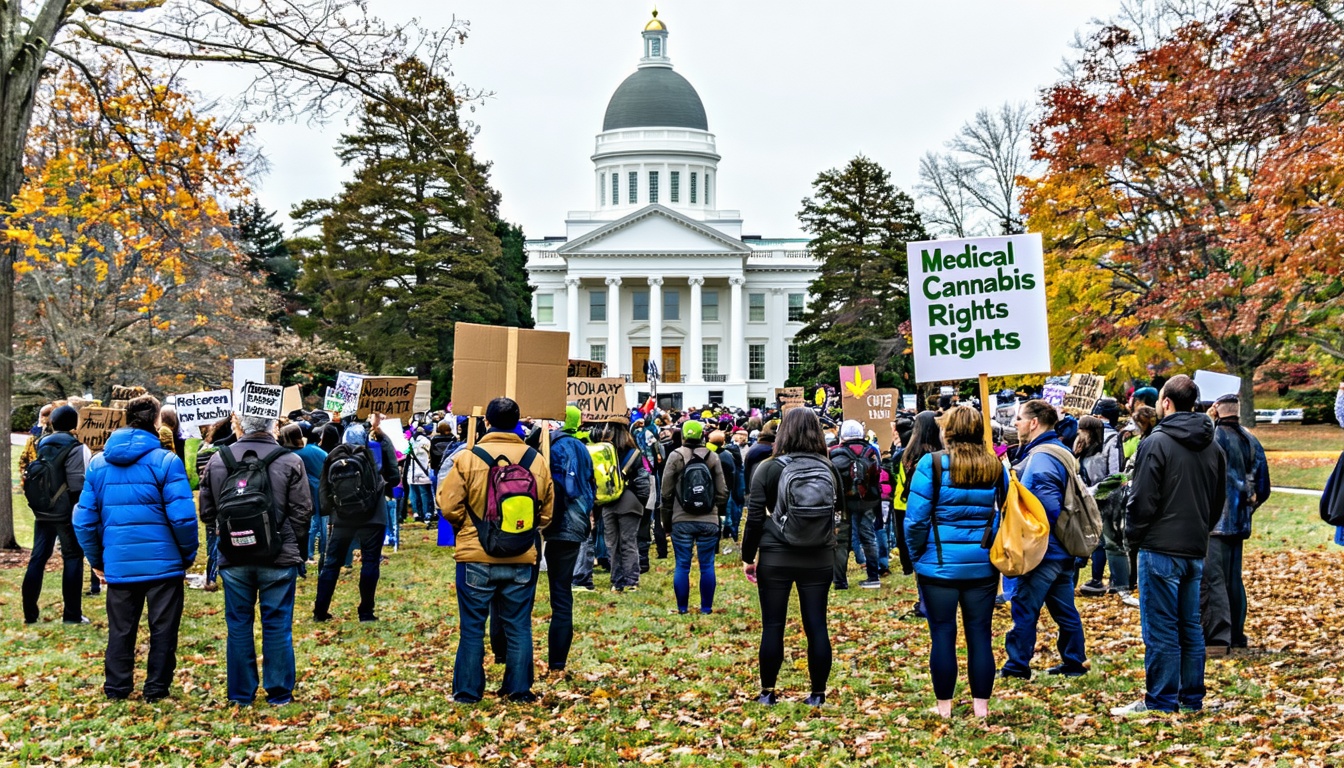
In a significant development, the Florida Department of State announced on Sunday that a proposed amendment to legalize recreational marijuana will not appear on the state’s ballot in November. The decision comes after the campaign, led by Smart & Safe Florida, failed to collect the required number of verified signatures.
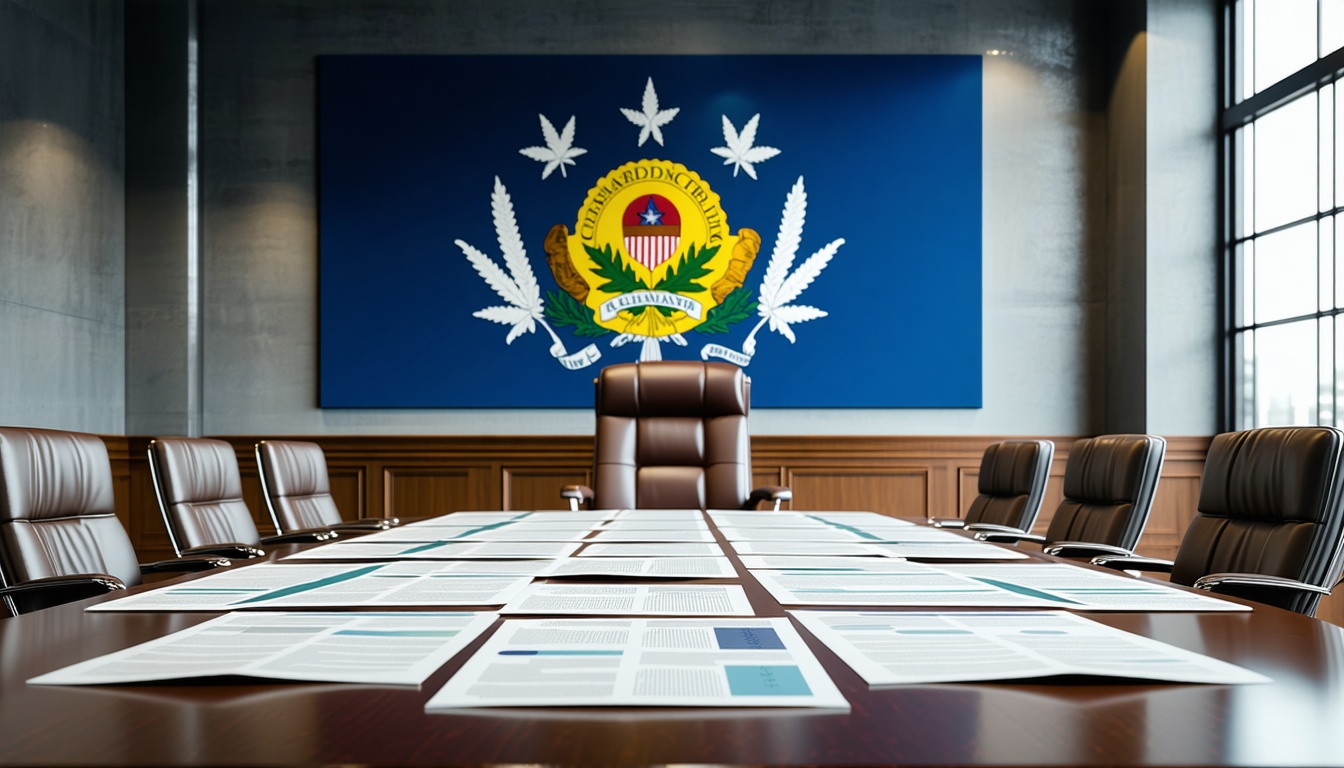
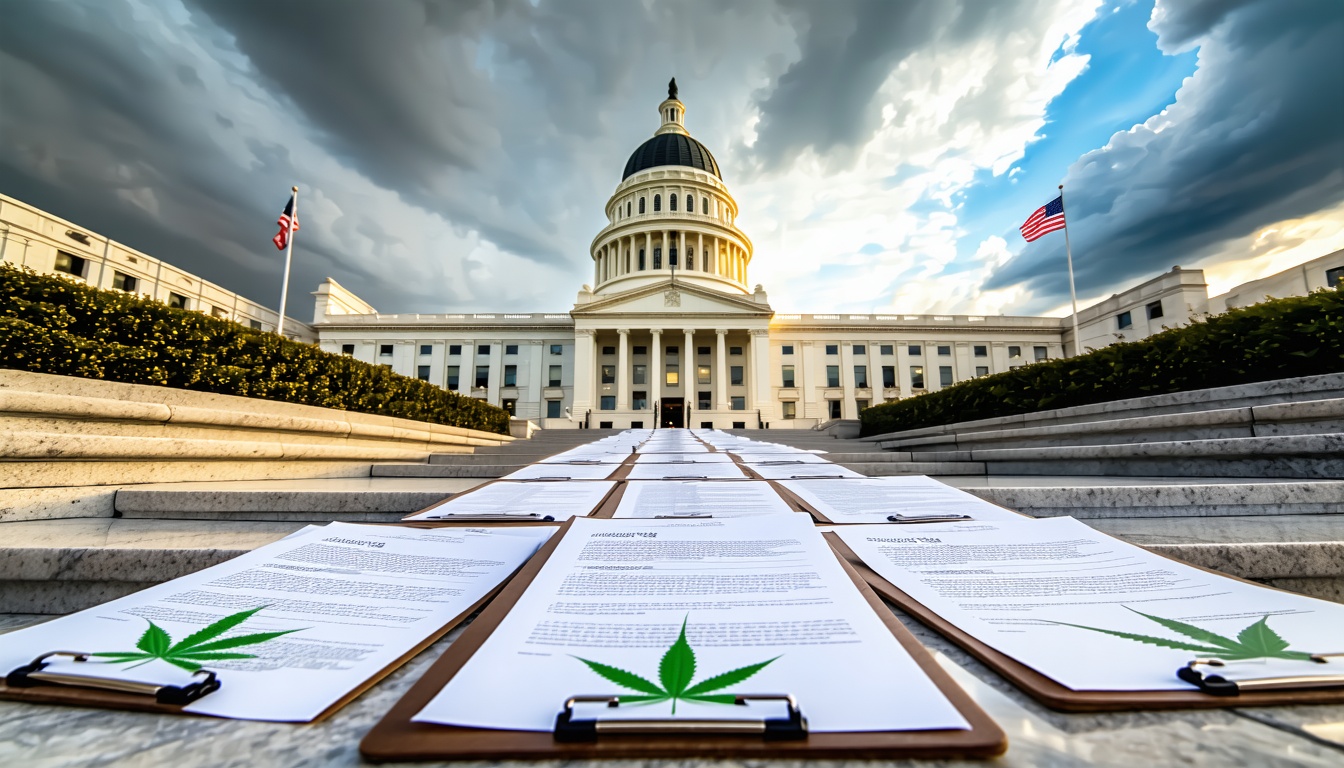
To qualify for the ballot, the campaign needed to gather nearly 880,000 verified signatures, a threshold it was unable to meet. According to the Department of State, the campaign fell short, despite submitting over 1.4 million signatures. A state database shows that the campaign has approximately 784,000 valid signatures, still short of the required amount.
The campaign’s shortfall is attributed, in part, to state directives that led to the dismissal of tens of thousands of verified petitions from Florida voters. The state had pushed to remove around 200,000 petitions that were mailed directly to voters and approximately 70,000 petitions collected by non-Florida residents or signed by inactive voters. Smart & Safe Florida challenged these directives in court but was largely unsuccessful.
In response to the state’s announcement, a spokesperson for the campaign called the declaration “premature,” arguing that the final and complete totals had not yet been reported. The spokesperson expressed confidence that, once all signatures are counted, the campaign will have sufficient signatures to qualify for the ballot.
The state’s actions have been seen as an attempt to hinder the campaign’s progress. In the lead-up to the deadline, the state’s election crimes office conducted in-person audits of some petitions, and Attorney General James Uthmeier’s office requested that supervisors send over certain petitions for a criminal investigation.
This is not the first time the state has clashed with the marijuana campaign. In 2024, Smart & Safe Florida ran a similar proposal, Amendment 3, which failed to gain the necessary 60% of voter support for approval. During that campaign, the state spent taxpayer dollars on advertisements opposing the amendment, and Gov. Ron DeSantis’ administration diverted $10 million in Medicaid money to an anti-Amendment 3 committee controlled by Uthmeier.
The failure of the recreational marijuana amendment to qualify for the ballot is a significant setback for the campaign, which had hoped to give Florida voters the opportunity to decide on the issue in November. As the state’s decision is finalized, it remains to be seen how the campaign will respond and whether it will continue to push for the legalization of recreational marijuana in Florida.