Cannabis Use at Bedtime May Not Guarantee a Good Night’s Sleep
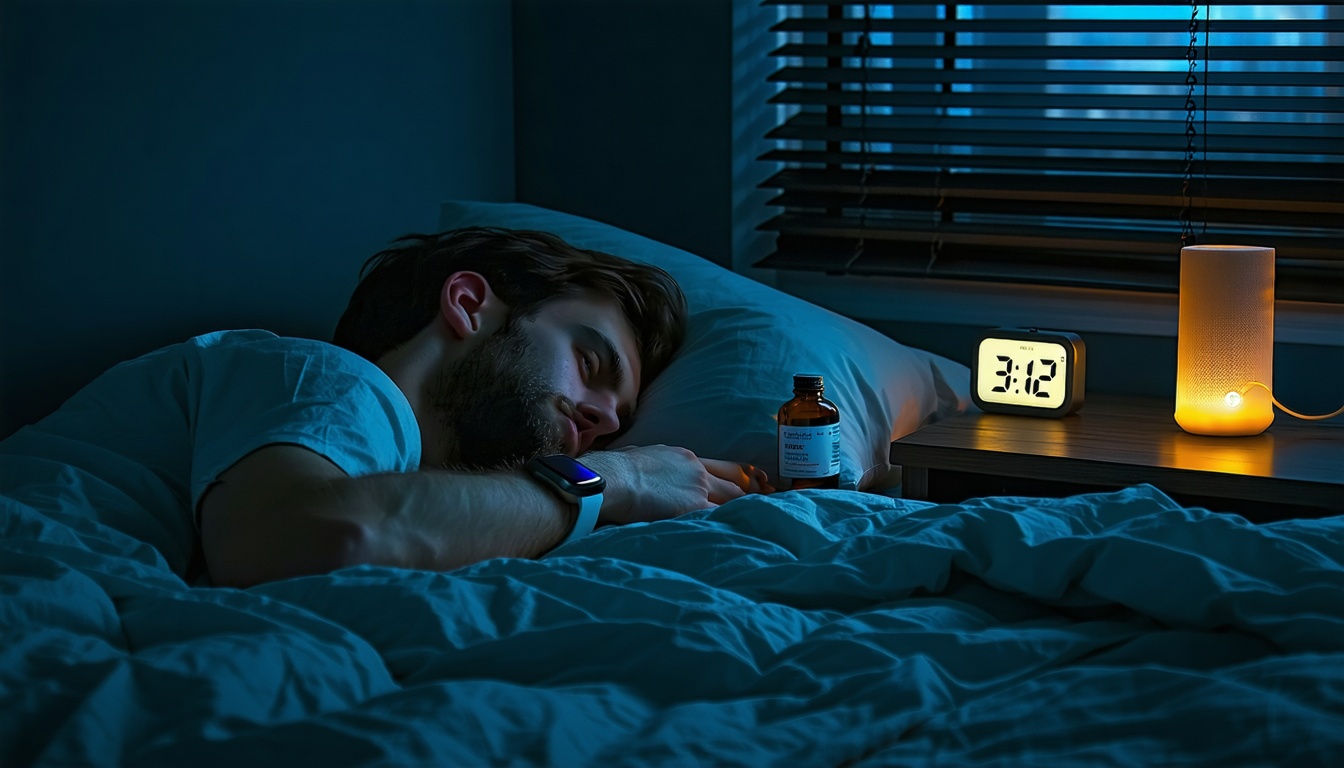
A recent study has found that people who use cannabis before bed may not be getting the quality of sleep they expect. Despite reporting good sleep quality, the study found that cannabis users spent more time awake during the night and had more restless sleep than non-users.
The study, which tracked cannabis use over three decades, analyzed data from 1,266 adults who wore wrist monitors to track their sleep patterns. The researchers found that cannabis users slept for about 20 minutes longer overall than non-users, but also spent about 11 more minutes awake after initially falling asleep.
The study’s corresponding author, Dr. Thanh-Huyen T. Vu, notes that people may not necessarily sleep better just because they feel sleepy. “We shouldn’t assume cannabis improves sleep simply because people believe it does,” she said. “Our findings suggest that cannabis-related sleep disturbances may go unnoticed if people rely solely on their own perceptions of how well they sleep.”
The study also found that people who used cannabis more frequently over the years had more restless, fragmented sleep, with more frequent stirrings breaking up their sleep. This suggests that cannabis use may be linked to more disturbed sleep, even if people don’t report sleeping poorly.
While the study didn’t ask participants whether they felt cannabis helped them sleep, it did find that people who used cannabis reported good sleep quality, despite the differences measured by the monitors. This highlights the gap between subjective and objective sleep measures, with people’s perceptions of their sleep quality not always aligning with the actual quality of their sleep.
The study’s findings have implications for the growing trend of using cannabis as a sleep aid. While cannabis may make people feel drowsy, it’s not necessarily a guarantee of good sleep quality. In fact, repeated use of cannabis may lead to tolerance and withdrawal symptoms, which can disrupt sleep.
Health experts recommend established approaches to improving sleep, such as maintaining a consistent bedtime routine, keeping the bedroom cool, dark, and quiet, and establishing a calming pre-sleep routine. For those who struggle with persistent sleep problems, it’s recommended to discuss their sleep with a healthcare provider to rule out underlying sleep disorders.
The study’s findings underscore the importance of understanding how cannabis affects sleep, including the differences between falling asleep and staying asleep. As researchers continue to explore the relationship between cannabis and sleep, it’s clear that people should approach cannabis use with caution and consider established sleep strategies before turning to cannabis as a sleep aid.