California’s Public Lands Still Contaminated by Illegal Cannabis Grows Despite Legalization
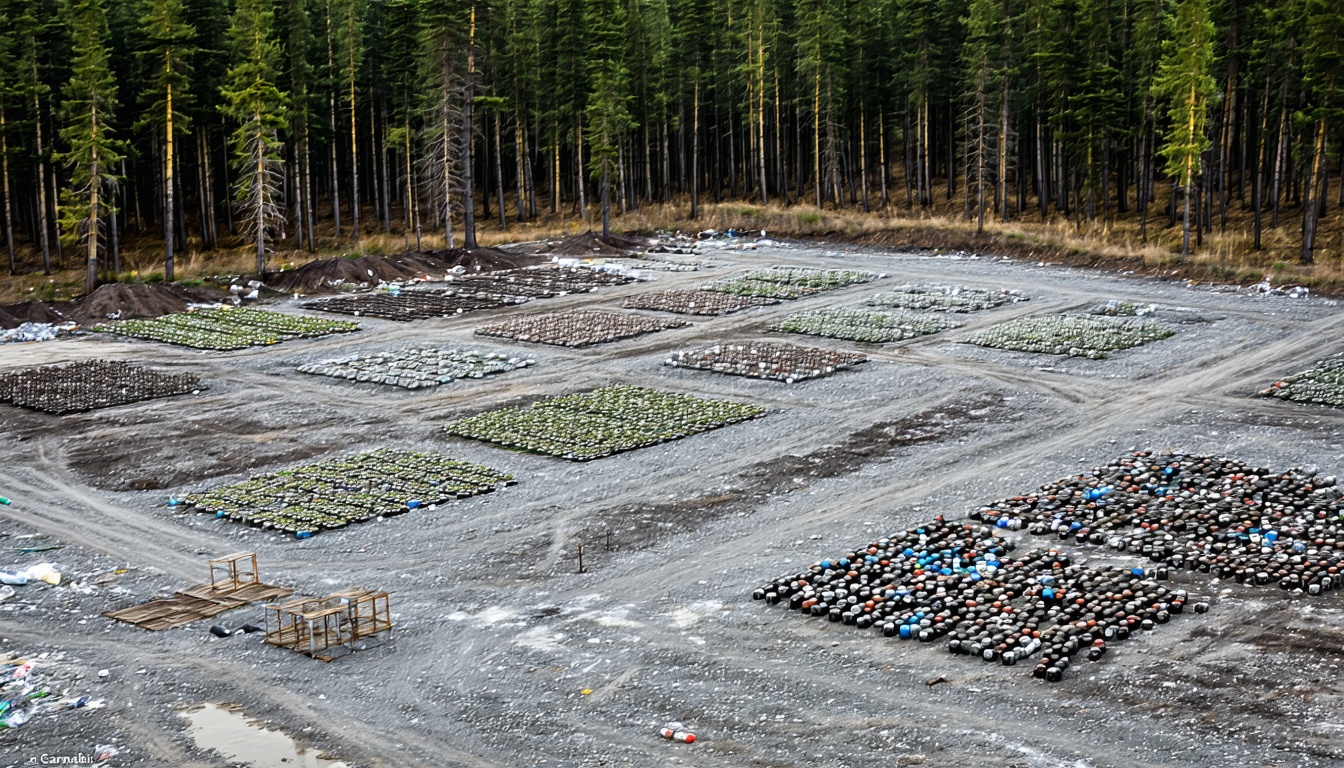
Despite the legalization of cannabis in California, illegal grows continue to pollute the state’s public lands, leaving behind a legacy of environmental harm. According to a recent study, nearly 7,000 abandoned cannabis grows have been identified on public lands, with only 587 sites having been partially cleaned up.
Ecologist Greta Wengert, co-founder of the Integral Ecology Research Center, has spent years studying the impacts of illegal cannabis grows on public lands. She and her team have found that the sites are not only a blight on the landscape, but also pose a significant threat to wildlife and waterways.
“We’re not just talking about a few trash bags and some old grow equipment,” Wengert said. “We’re talking about a full-on environmental disaster. These sites are like ticking time bombs, releasing pollutants into the soil and water for years to come.”
The problem is not limited to national forests, with illegal grows also found on state and privately managed lands. The California Department of Fish and Wildlife has helped remove over 350,000 pounds of trash and over 920 pesticide containers from grows on public lands, but more work needs to be done.
The state has passed legislation aimed at addressing the issue, including a bill directing the Department of Fish and Wildlife to conduct a study on a statewide cleanup strategy for cannabis grows. However, the study is not due until next year, and in the meantime, the problem continues to grow.
The federal government has also been criticized for its lack of action on the issue. The U.S. Forest Service has received funding to clean up trespass grows in national forests, but the agency has been slow to act, with many sites remaining uncleared.
U.S. Rep. Jared Huffman, a California Democrat, has introduced legislation aimed at increasing funding for cleanup efforts, but so far, it has not gained traction in Congress.
The cleanup of illegal cannabis grows is a complex and challenging task, requiring specialized equipment and training. However, experts say that it is essential to address the issue to protect the environment and public health.
“It’s not just about cleaning up the trash,” said Mourad Gabriel, co-founder of the Integral Ecology Research Center. “It’s about restoring the natural balance of the ecosystem and ensuring that these sites are safe for wildlife and humans alike.”
The California Department of Fish and Wildlife has recently taken the lead on cleaning up illegal cannabis grows, using its own helicopter and budget to remove trash and hazardous materials from public lands.