Pennsylvania’s Republican-Led Senate Remains Divided on Legalizing Recreational Marijuana
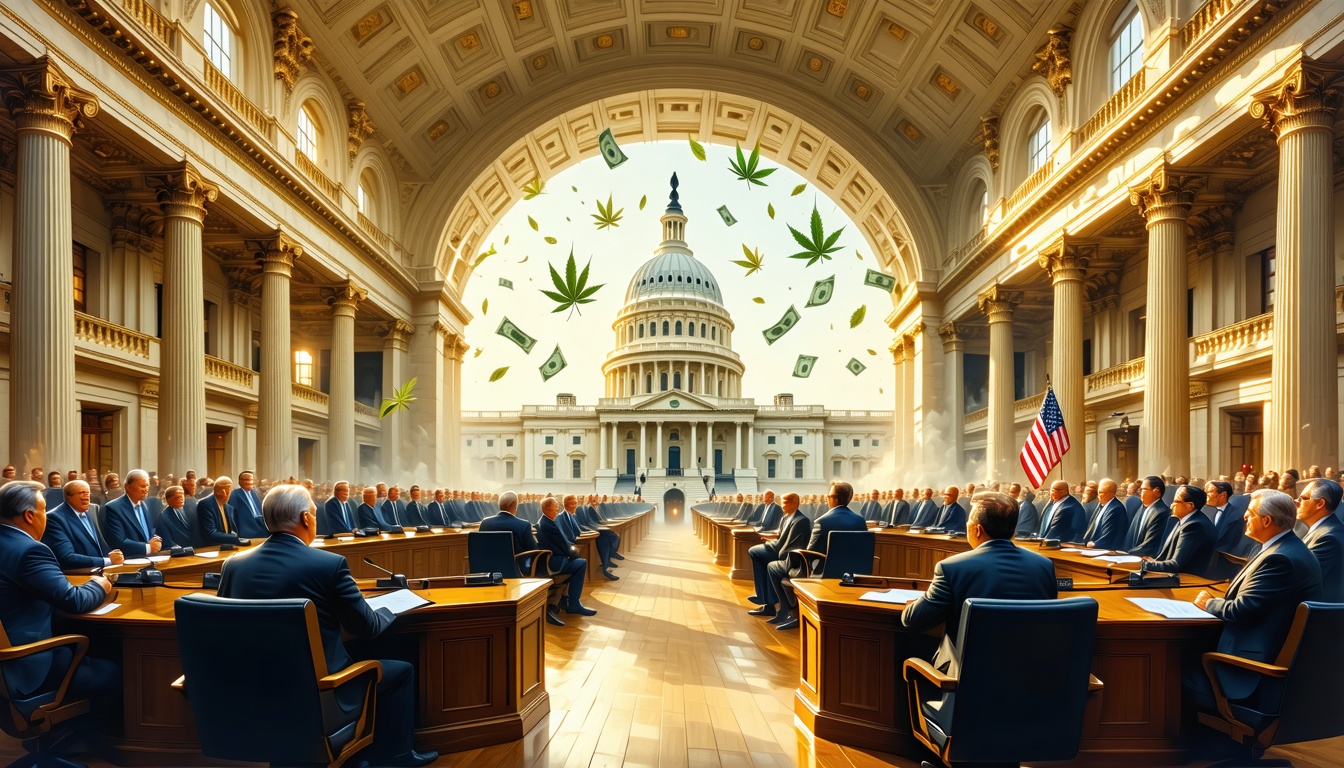
Despite Democratic Governor Josh Shapiro’s renewed call for legalizing recreational marijuana in Pennsylvania, the Republican-led Senate remains divided on the issue. Shapiro, who has included legalization in his previous budget pitches, estimates that the state would rake in over $729 million in its first year, with annual tax revenue of over $200 million once fully implemented.
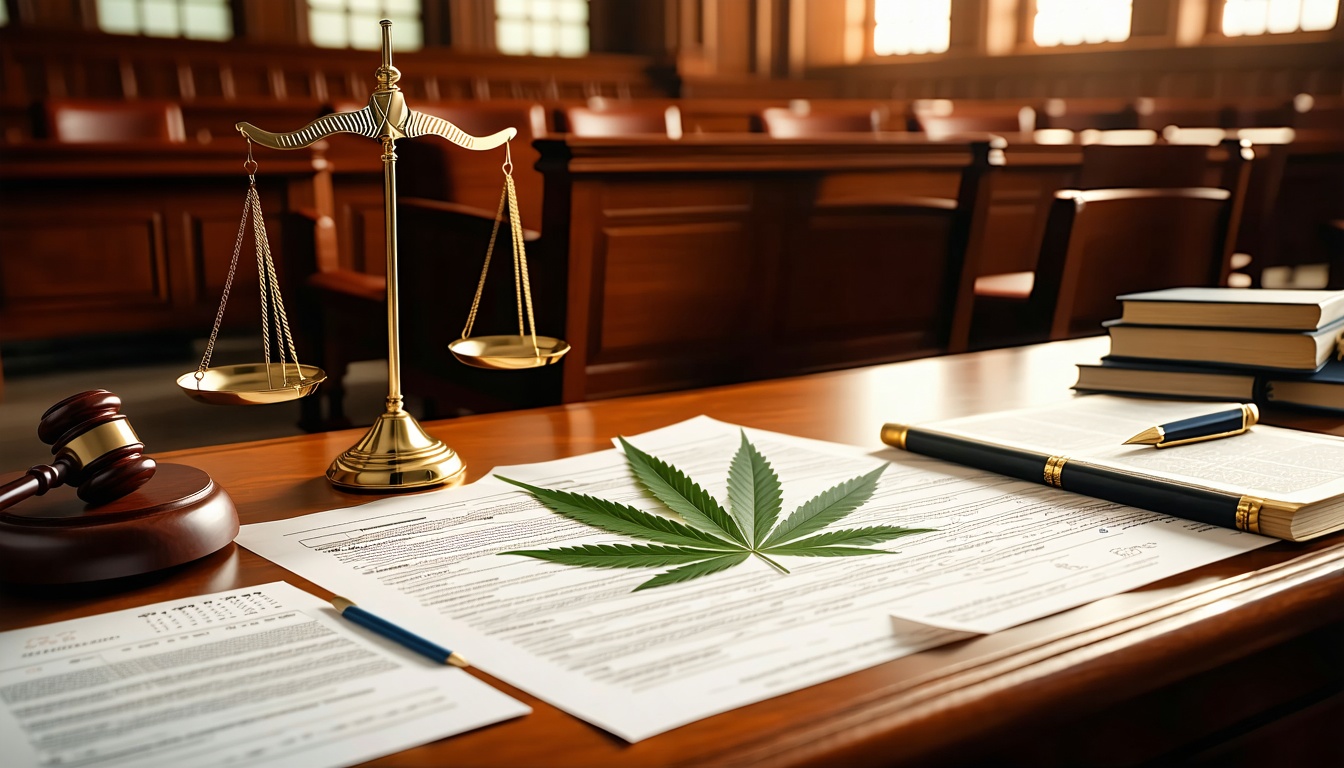
However, Senate Majority Leader Joe Pittman (R., Indiana) remains noncommittal, stating that he wants to see the governor’s “words on paper.” Pittman’s committee has voted down a bill that would permit the sale of cannabis to adults at state-owned stores, similar to the system for selling wine and liquor.
State Sen. Dan Laughlin (R., Erie), who chairs the committee through which any legalization bill would likely have to pass, has expressed skepticism about the state store model, calling it “dead on arrival.” Laughlin has also stated that he believes there is a path to getting a legalization bill passed during budget negotiations.
Meanwhile, Democrats in the state House still support legalization, but want Republicans in the Senate to take the lead. State Rep. Dan Frankel (D., Allegheny) has called for the Senate to pass a bill that would allow for the sale of cannabis to adults, saying that his caucus is open to other paths to legalization.
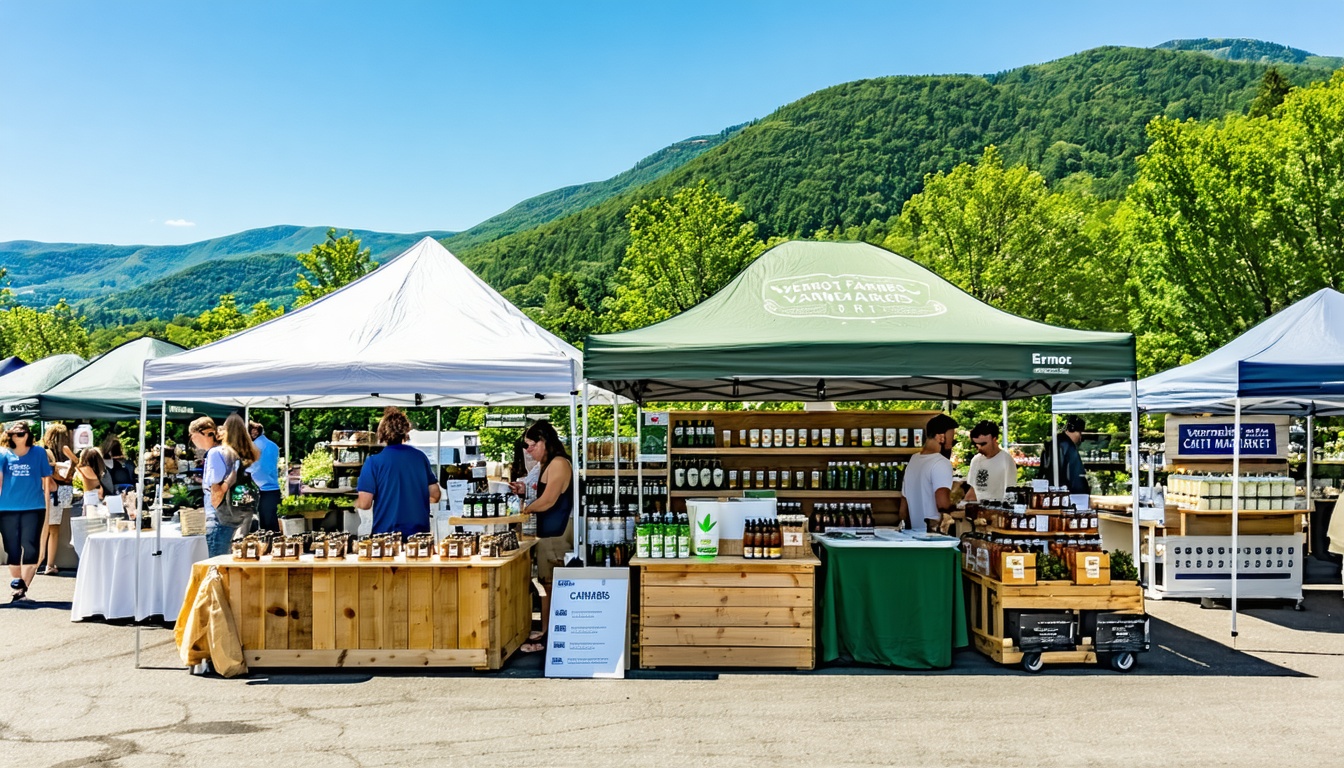
Advocates for legal cannabis remain uncertain about the legislature’s likelihood of acting on the issue, with predictions ranging from cautious optimism to deep skepticism. Chris Goldstein, an advocate with the National Organization for the Reform of Marijuana Laws, believes that the legislature’s all-encompassing approach to legalization is slowing down the process and that lawmakers should focus on more consensus-driven measures, such as decriminalizing possession of a small amount of cannabis or clarifying DUI standards for medical marijuana users.
Despite the uncertainty, some advocates remain hopeful that the need for more revenue to cover rising state spending and pressure during an election year will force lawmakers to take action. The state’s Independent Fiscal Office has predicted that the state’s rainy day fund could run out by the end of the 2027-28 fiscal year without new revenue or spending cuts.
Shapiro has not proposed any increases for broad-based taxes, such as sales and income levies, instead opting to spend roughly half of the state’s rainy day fund. However, lawmakers may face more limited options in the future, which could increase the pressure to act on legalization.