
Breakthrough Study Reveals Cannabis Compounds May Reverse Common Liver Disorder Affecting One-Third of Adults
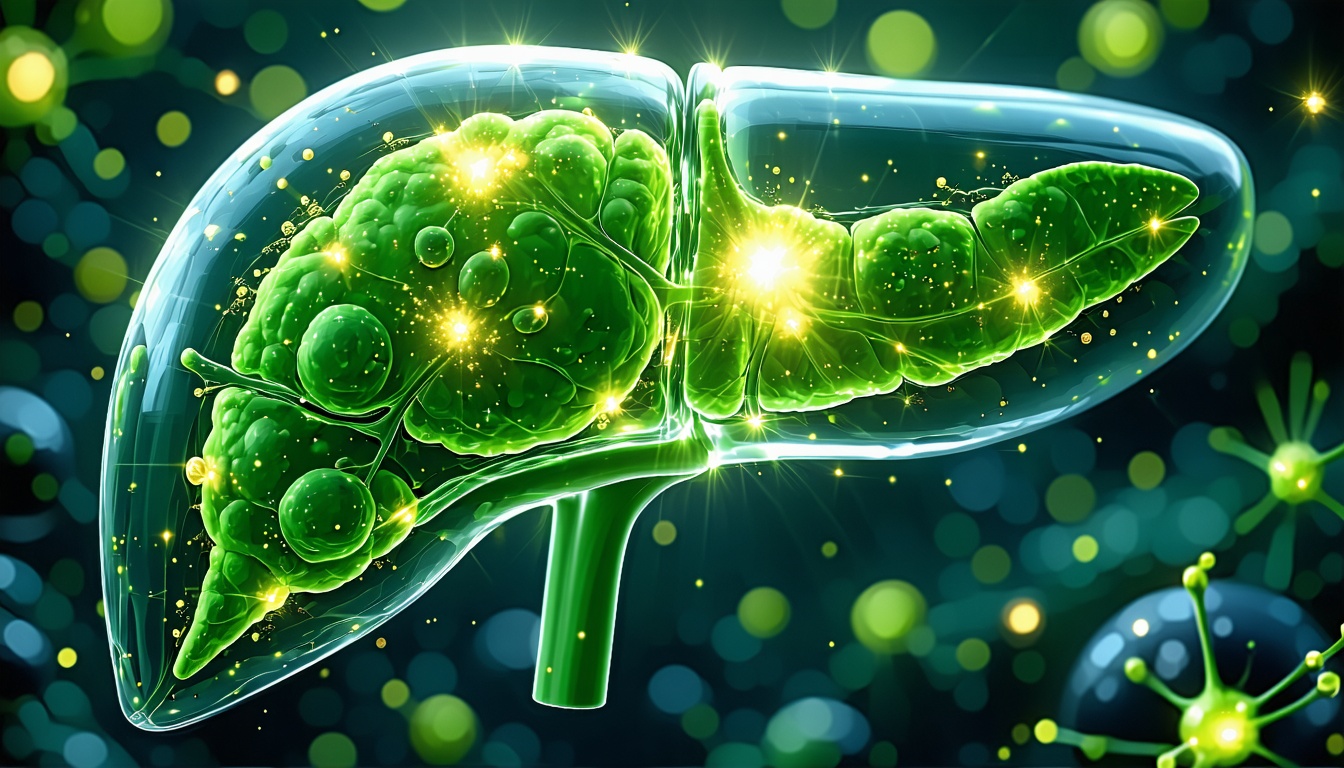
A groundbreaking study conducted by researchers at the Hebrew University of Jerusalem has discovered that certain compounds found in cannabis may hold the key to reversing a common chronic liver disorder that affects approximately one-third of the global adult population.
Metabolic dysfunction-associated steatotic liver disease (MASLD) is a condition closely linked to obesity and insulin resistance, and currently, there are few approved pharmaceutical treatments available. The study, published in the British Journal of Pharmacology, found that cannabidiol (CBD) and cannabigerol (CBG) significantly reduced liver fat and improved metabolic health in experimental models.
Unlike THC, the primary psychoactive component in cannabis, CBD and CBG do not produce a “high,” making them viable candidates for long-term medical treatment. The researchers identified a new mechanism by which these compounds enhance hepatic energy and lysosomal function, creating a “backup battery” for the liver.
The study highlights a process called “metabolic remodeling,” where the cannabis compounds increase levels of phosphocreatine, a high-energy molecule stored in muscle cells. This energy reserve helps the liver function under the stress of a high-fat diet, an unexpected discovery.
Researchers also found that CBD and CBG restored the activity of “cellular cleaning crews” known as cathepsins, enzymes that work within the cell’s recycling centers to break down harmful fats and waste. This process allows the liver to clear out dangerous lipids, including triglycerides and ceramides, which trigger inflammation.
While both compounds were effective, CBG showed more robust results in certain areas, such as reducing total body fat mass, lowering “bad” LDL cholesterol, and improving insulin sensitivity.
The study opens a new path for using plant-based compounds to treat metabolic diseases by focusing on how cells manage energy and waste. However, the researchers caution that further clinical trials are necessary to determine the proper application for human patients.
This breakthrough study adds to the growing body of research on the potential benefits of cannabis compounds, but it also highlights the need for more rigorous scientific investigation to fully understand their effects. As with any medical treatment, it is essential to consult with a healthcare provider to discuss potential risks and benefits.