Rhode Island’s Plans for New Cannabis Dispensaries Hit a Roadblock
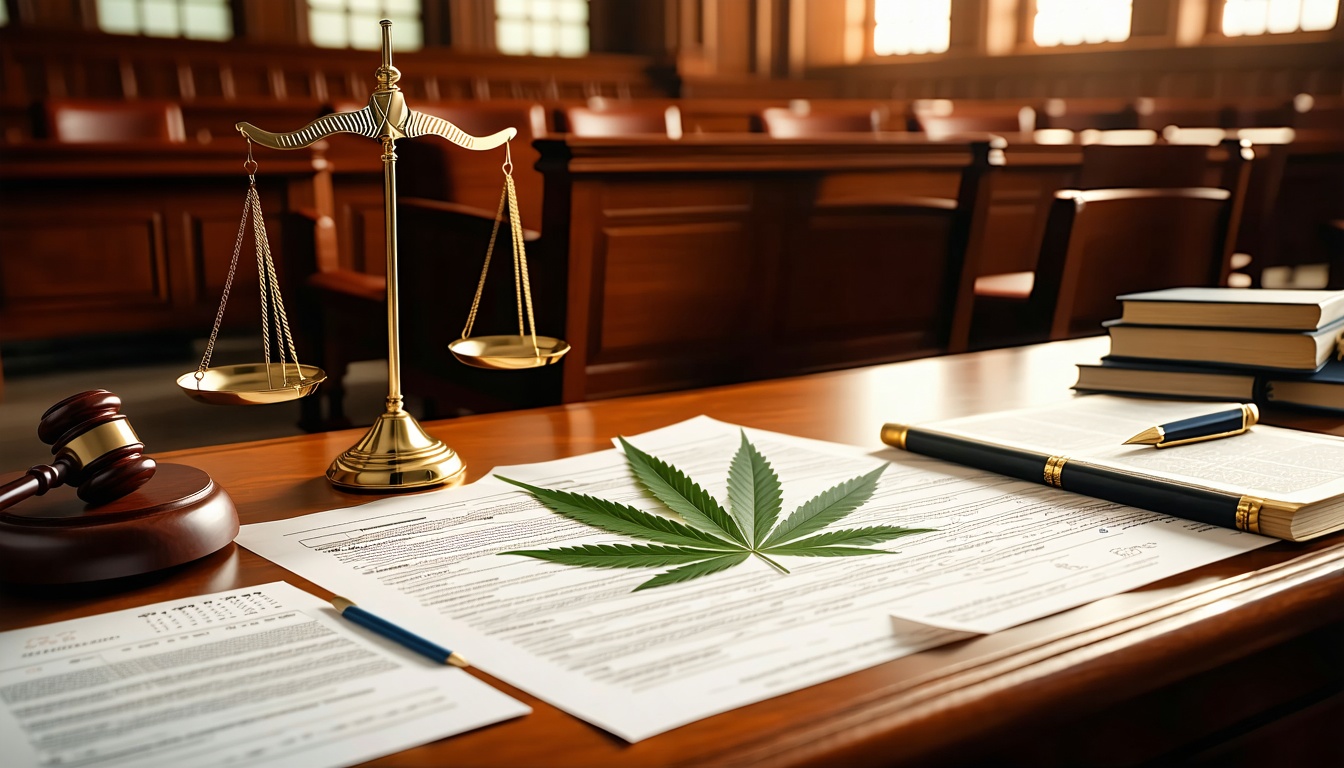
A federal judge’s preliminary injunction has brought the state’s plans for new recreational cannabis dispensaries to a standstill. The injunction, issued by Judge Melissa DuBose on April 8, blocks the state from selecting lottery applicants, processing applications, and issuing licenses.
The injunction is the result of three lawsuits challenging the state’s special process for “social equity” licenses. The lawsuits claim that the state’s residency requirement, which requires 51% ownership by a Rhode Island resident, violates the Dormant Commerce Clause. This clause prohibits states from passing legislation that discriminates against or excessively burdens interstate commerce.
Judge DuBose initially dismissed the lawsuits, but the First Circuit Court of Appeals sent the cases back to her, ordering her to adjudicate the case on its merits. The appeals court ruled that the defendants, who are from California and Florida, had standing to sue because they wanted to apply for a license and were disqualified.
The judge’s preliminary injunction also blocks the Cannabis Control Commission from holding any new lotteries or application periods. The commission had planned to award 20 of the 24 allowed licenses, but the injunction puts those plans on hold.
Companion bills have been introduced in the General Assembly to remove the residency requirement from state law. However, it’s unclear what would happen if those bills pass and the residency requirements are eliminated. The Cannabis Control Commission would need to change its rules, and the judge’s order prohibits the commission from processing any applications under the current licensing scheme.
The American Civil Liberties Union of Rhode Island has expressed concerns that eliminating the residency requirement would not fully address the constitutional issues. The organization believes that the state needs to reexamine the social equity standards in the statute and consider whether they also need to be amended to avoid constitutional challenges.
The Cannabis Control Commission had been trying to slow down the issuance of licenses due to conflicts between existing dispensaries and cultivators. The commission had planned to award licenses to 20 new dispensaries, but the injunction puts those plans on hold. The delay is likely to cause frustration for those waiting for new dispensaries to open in the state.