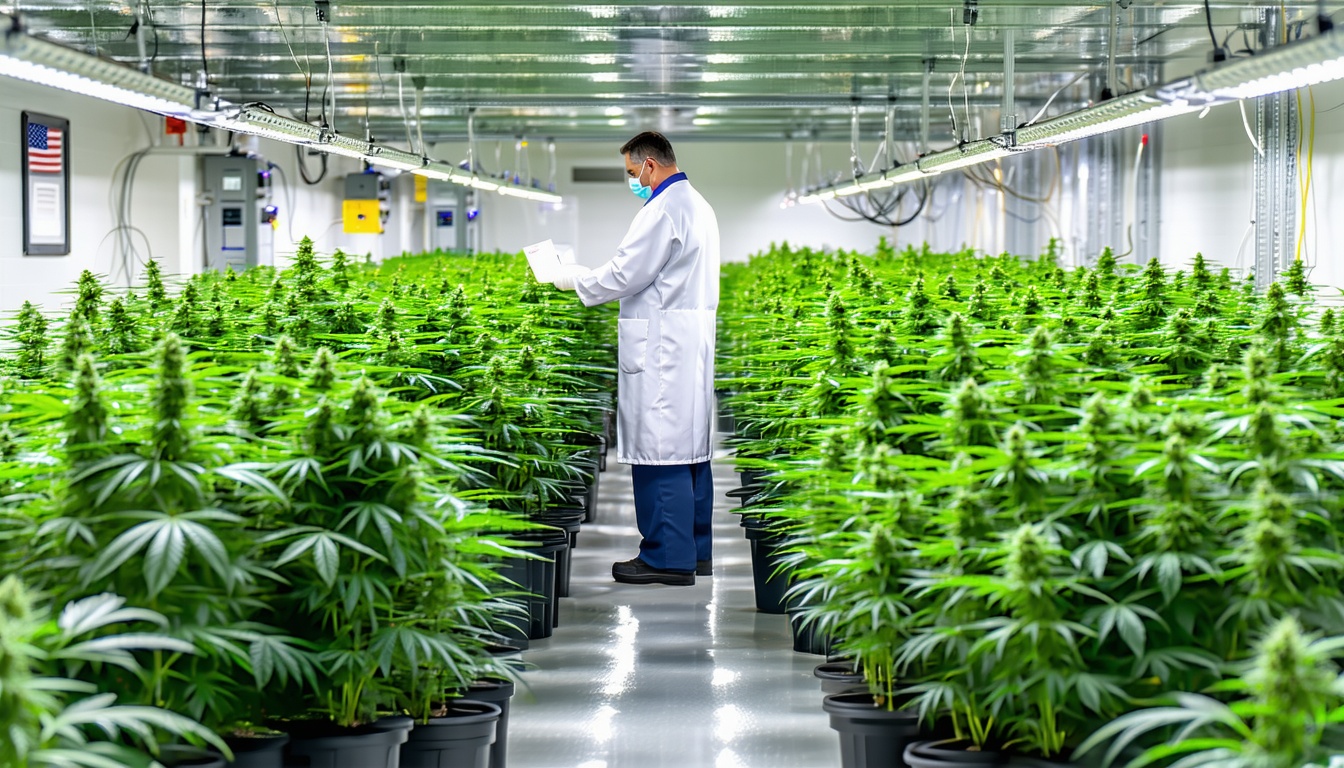
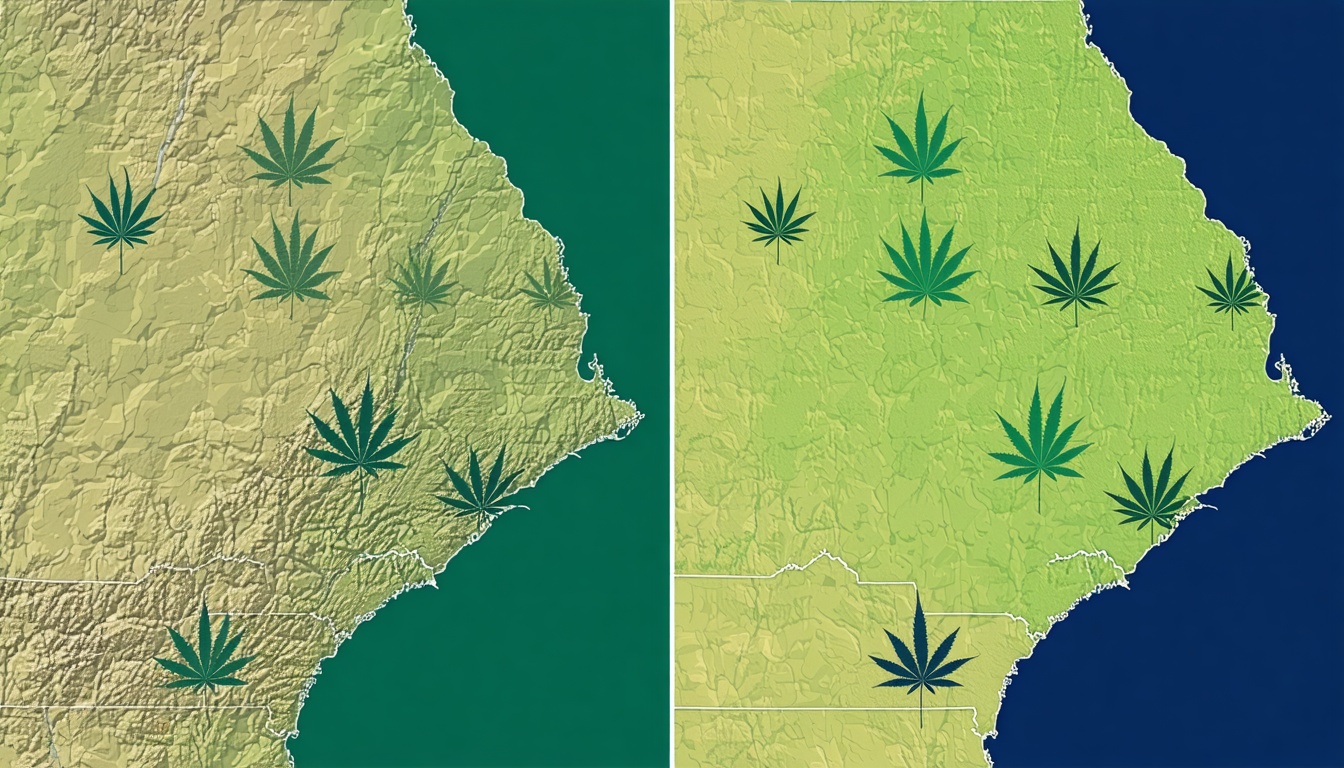
As Virginia prepares to launch its statewide retail cannabis market in November 2026, North Carolina will be faced with a unique challenge. Despite maintaining some of the nation’s strictest enforcement on marijuana, the state will be surrounded by a legal cannabis ecosystem, making it difficult to regulate and enforce its own laws. This mismatch will lead to a black market and a loss of tax revenue and regulatory control.
The current situation in North Carolina is characterized by a lack of consistency in enforcement, with some counties being more lenient than others. This has led to a gray market, where unlicensed sellers operate with minimal oversight, making it difficult to ensure that products are safe and legal.
The federal government’s shift towards regulating cannabis, as seen in President Trump’s executive order in December 2025, underscores the need for states like North Carolina to adapt to the changing landscape. The order emphasizes the importance of regulatory clarity, expanded research access, and more coherent enforcement standards.
North Carolina’s current approach to cannabis is contradictory, with intoxicating hemp-derived THC products being widely sold in gas stations and convenience stores, often without meaningful age verification or standardized testing. This has led to inconsistent enforcement and a lack of regulatory oversight.
The solution lies in Virginia’s approach, which has chosen to regulate cannabis through a retail framework. This will allow North Carolinians to purchase cannabis products legally, reducing the need for them to cross the border and creating a more stable and regulated market.
Opponents of reform often raise concerns about impaired driving and youth access, but regulation can actually strengthen these guardrails by providing clearer enforcement lines and age-verified retail systems. By regulating cannabis, North Carolina can ensure that products are safe, legal, and taxed, rather than perpetuating a black market.
The state’s current posture is inefficient and unsustainable, and it is time for lawmakers to take action. Polling consistently shows overwhelming support among North Carolinians for medical cannabis and majority support for adult use, and it is time for the state to catch up with the changing public opinion.
Ultimately, North Carolina has a choice to make: it can modernize its laws deliberately and on its own terms, or it can continue to pretend that a legal border does not exist. The market will operate regardless, but the state can choose to govern it or be governed by it.