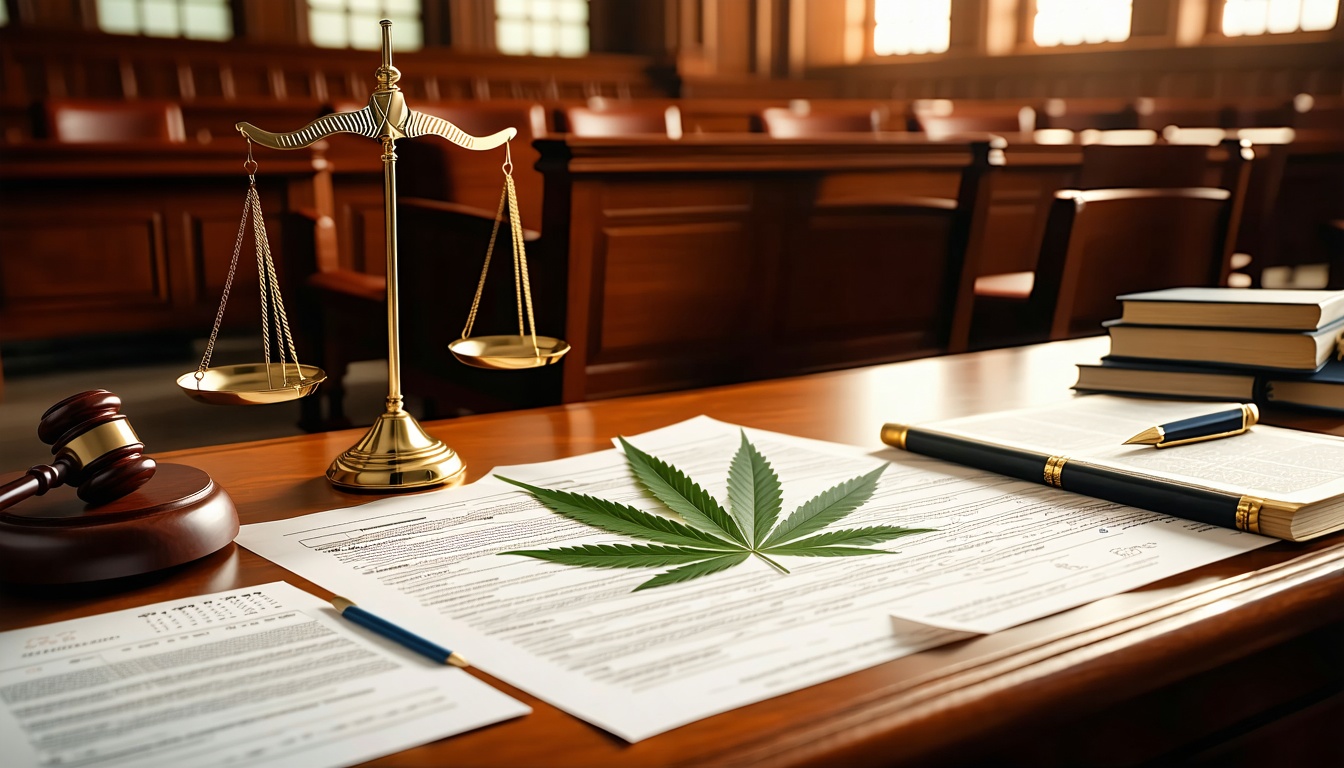
As the November 2026 deadline approaches, a ban on most hemp-derived products in the US is set to take effect, significantly impacting the pricing, availability, and composition of popular products like CBD tinctures, balms, and THC drinks. The ban, which was passed by Congress in a last-minute addition to the spending bill, will redefine legal hemp products to contain no more than 0.4mg of THC per package, a trace amount found in most hemp-derived products.
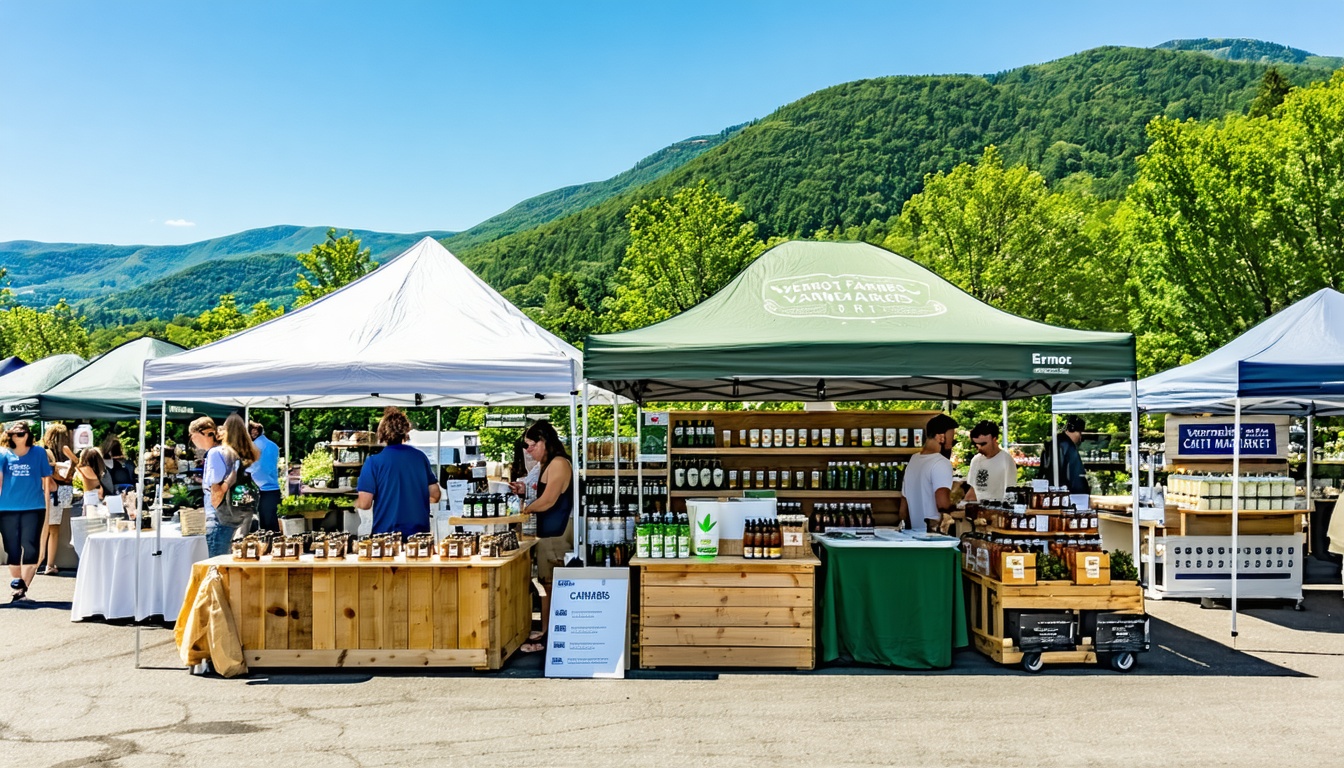
The ban will have varying effects depending on the state. In states that have passed laws to allow regulated, legal hemp, the market is likely to continue operating similarly to state-level recreational and medical cannabis markets. However, in states without such laws, hemp companies may struggle to remain in business.
One of the most significant impacts will be on THC drinks, which have gained popularity in recent years. Without the ability to engage in interstate commerce, major alcohol distributors may stop carrying THC products, making it difficult for companies to reach customers. This could lead to a significant decline in the market for THC drinks.
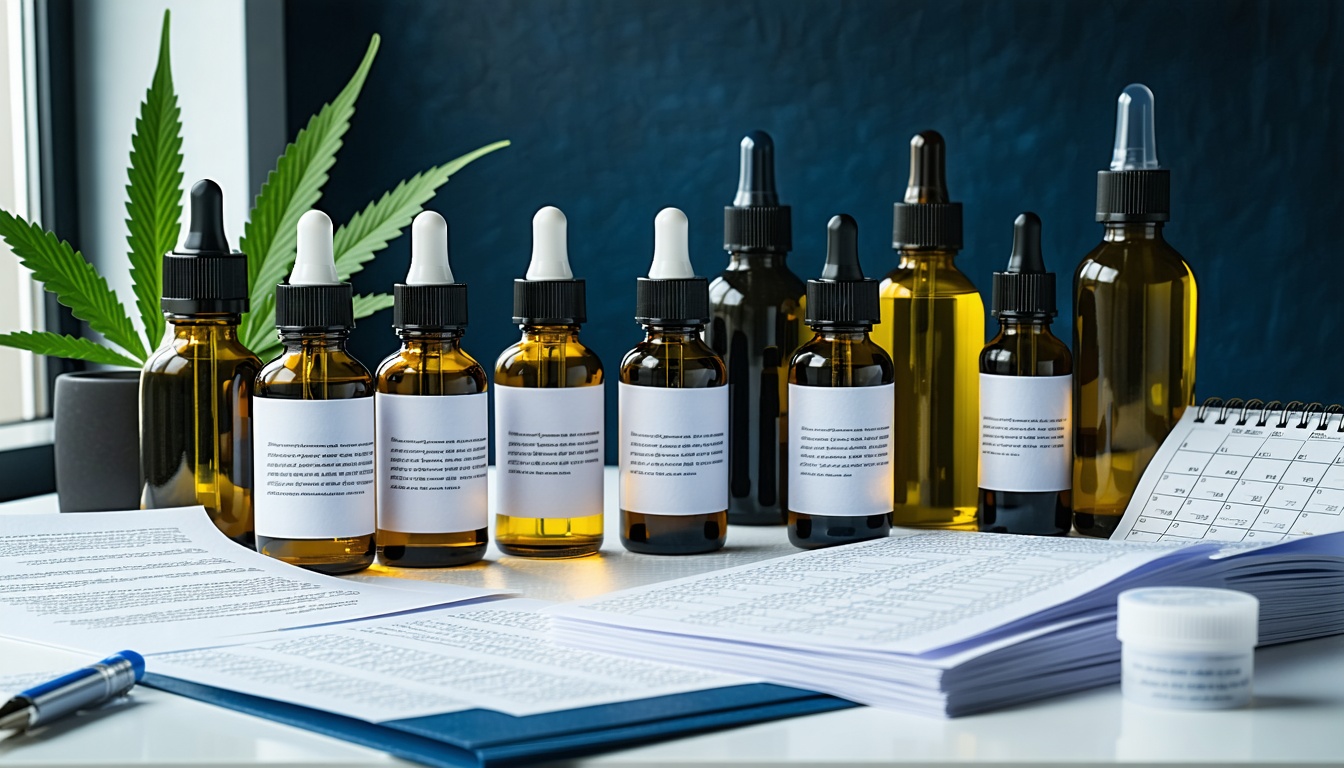
CBD products will also be affected, as the ban will limit the amount of THC allowed in these products. This could make them less effective, as CBD is often more potent when used in conjunction with other cannabinoids and terpenes. However, some companies are already exploring alternative plants that contain terpenes that could enhance the effects of CBD.
The ban will also lead to increased prices for hemp products, as companies will be forced to pay more in taxes and pass those costs on to consumers. In states without legal hemp frameworks, hemp companies may need to try to get their products into state-legal cannabis dispensaries, which could lead to higher prices and reduced access for consumers.
Overall, the ban on most hemp-derived products in the US is expected to have significant impacts on the industry, from pricing and availability to composition and effectiveness. As the deadline approaches, companies are scrambling to adapt to the new regulations and find ways to remain competitive in the market.