
Minnesota’s Cannabis and Hemp Industry Faces Regulatory Overhaul
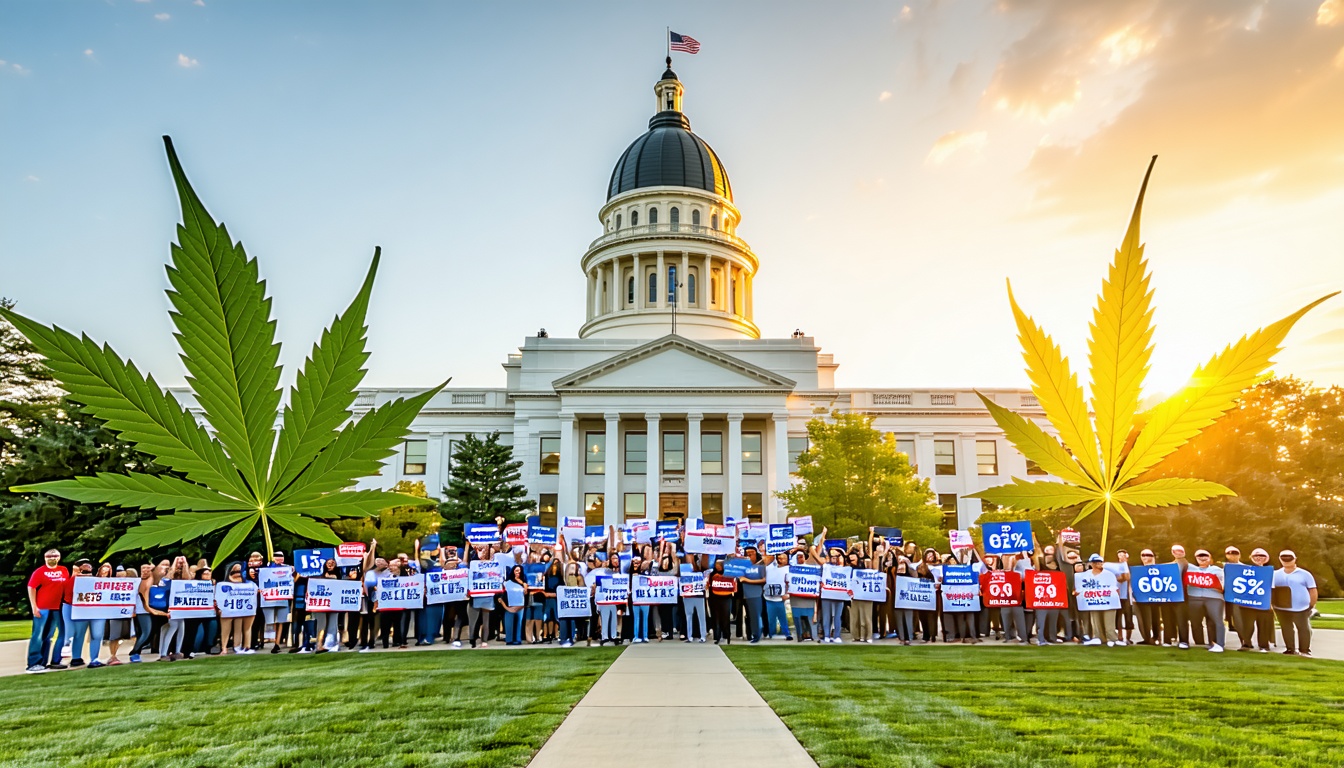
The Minnesota legislature is considering changes to the state’s cannabis and hemp regulations, which could have far-reaching implications for businesses operating in the industry. The proposed changes aim to make it easier for companies to operate across medical, recreational, and hemp markets, with the goal of increasing cannabis cultivation in the state and addressing supply shortages that can drive up prices.
Some business owners, such as Minny Grown in Cannon Falls, have already invested heavily in transitioning from hemp to adult-use cannabis. However, others are concerned about the frequency of regulatory changes, which can make it difficult for businesses to adapt and thrive.
The Minnesota Office of Cannabis Management estimates that the state’s market can support up to 2 million square feet of cannabis crops, but currently, there is only about 400,000 square feet of cultivation space, with medical cannabis companies owning at least 30% of it.
Lawmakers and business owners are divided on the proposed changes. Some, like Minny Grown owner Zach Rohr, support the idea of streamlining medical and adult-use cultivation and production, but worry about giving an edge to established medical cannabis companies. Others, like Sen. Nick Frentz, argue that the constant shifting of regulations makes it difficult for businesses to plan and invest for the long-term.
Native American tribes in Minnesota are also weighing in, with some advocating for a slower pace of change to allow the market to mature. “We want to give the originally envisioned Minnesota cannabis market a chance to grow its roots a bit more without jeopardizing a robust and competitive market,” said Blake Johnson, a representative of the Prairie Island Indian Community.
The proposed changes could have significant implications for the price and availability of cannabis products in Minnesota. If the changes are implemented, it could lead to more cannabis being grown in the state, potentially driving down prices for consumers. However, it could also create challenges for businesses trying to keep up with new rules and regulations.
The debate is ongoing, and the outcome could shape the future of Minnesota’s cannabis and hemp industry for years to come.