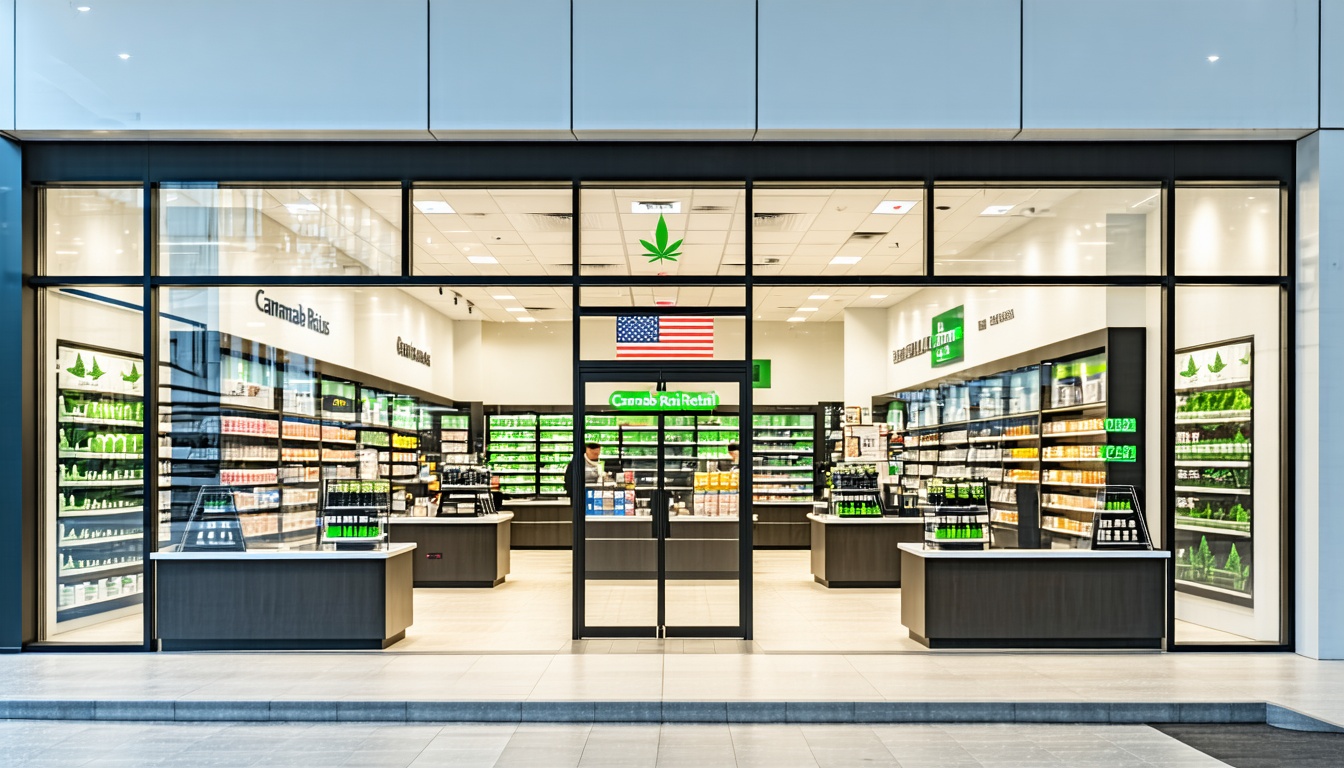
Virginia’s Retail Cannabis Market on Track to Launch in 2026
After years of debate and delay, Virginia is poised to finally open its retail cannabis market in November 2026. The Joint Commission to Oversee the Transition of the Commonwealth into a Cannabis Retail Market has unveiled a plan to establish a maximum of 350 retail cannabis establishment licenses in the state, remove the option for localities to opt out of recreational sales, and allow local governments to levy a sales tax of up to 3.5% on cannabis products.
The plan is a result of years of effort by lawmakers, advocacy groups, and stakeholders to create a legal and regulated cannabis market in Virginia. In 2021, the state decriminalized possession of small amounts of marijuana, but the launch of a recreational market has been delayed due to Republican opposition and vetoes from outgoing Governor Glenn Youngkin.
With Democrats still in control of the General Assembly and a new Democratic governor, Abigail Spanberger, taking office, lawmakers are focused on fine-tuning the details of the bill rather than worrying about a veto. Spanberger has expressed support for creating a recreational cannabis market.
The Cannabis Control Authority will regulate the market, covering everything from licensing and auditing to public education. The authority is projected to bring in over $400 million in annual revenue over the next five years from legal recreational cannabis sales.
While some stakeholders have praised the commission’s work, others have raised concerns about the timeline and potential “rush to revenue” that could crowd out competition and limit the ability of local businesses and growers to participate in the market.
The commission’s proposal includes creating an “impact licensee” category for applicants that meet certain criteria, such as having past marijuana-related convictions or living in economically disadvantaged communities. The proposal also includes a change to allow people convicted of felony distribution of marijuana to get an impact license.
Another provision expected to be in the 2026 bill would require license applicants to have entered into a labor peace agreement with a bona fide labor organization. The state would issue up to 100 temporary direct-to-consumer microbusiness licenses that allow small cultivators to qualify for impact licenses.
Lawmakers will also have to decide how far cannabis shops can be from one another, with the commission recommending a minimum separation distance of one mile. Some lawmakers have expressed concerns that this could lead to stores being too spread out and inaccessible for residents.
The cannabis legislation is still “fluid,” but lawmakers are preparing for a debate around the local opt-out provision and potentially raising the 3.5% local tax.